





By Rashmi Rekha Das
Have you ever heard of teachers reaching out to students to impart education—for free? Have you ever imagined a teacher who doesn’t wait for students to come to him, but instead travels to their villages—teaching free of cost, purely out of dedication? In most places, when people think of extra help for learning, the first image that comes to mind is a paid tutor arriving at the door. But in Odisha, there is a rare teacher who has spent nearly two decades doing the opposite: carrying knowledge to the people, asking for nothing in return. Meet veterinary scientist Dr Balaram Sahu who has transformed the idea of teaching through his unique initiative, Pathe Pathshala—literally, a school on the move. Over the past 18 years, he has reached at least one lakh people across every district of Odisha, conducting more than 1,500 classes on cattle diseases and practical rural knowledge.
What makes his work extraordinary is its simplicity and sincerity. Dr Sahu goes to the villages himself. He speaks in the local language, holds sessions at times convenient for the community, and chooses places where people feel comfortable. Weekends, government holidays and festival days—time most others reserve for rest—become his classroom hours. There is no fee, no formal registration, only a deep commitment to community upliftment.
His lessons go far beyond treating livestock. From herbal remedies and farming techniques to fisheries and traditional knowledge, Dr Sahu bridges modern scientific understanding with the wisdom already present in rural communities. The goal is not just to deliver information, but to empower people to improve their livelihoods using knowledge that is both practical and accessible. Over the past 18 years, Dr Sahu has reached at least one lakh people across all the districts of Odisha
The impact has stretched well beyond Odisha. His moving classroom has now reached villages in West Bengal, Jharkhand, Bihar, Chhattisgarh, Madhya Pradesh, Telangana, Andhra Pradesh, Tamil Nadu, Delhi, Rajasthan, Gujarat, Assam, Meghalaya, and Tripura, carrying the same spirit of free, doorstep education.
In an age when learning is often confined to four walls and fee structures, Dr Sahu continues to show that a true teacher needs neither. Through Pathe Pathshala, he is quietly building what he calls a People’s University on the Move—one village, one conversation, and one shared lesson at a time.
On Teachers’ Day, Ommcom News speaks exclusively with the educator whose pioneering voluntary initiative is redefining teaching in rural India. Away from formal classrooms and fee-based systems, his unique approach brings knowledge directly to the people — free of cost, in their own language, and on their own terms.
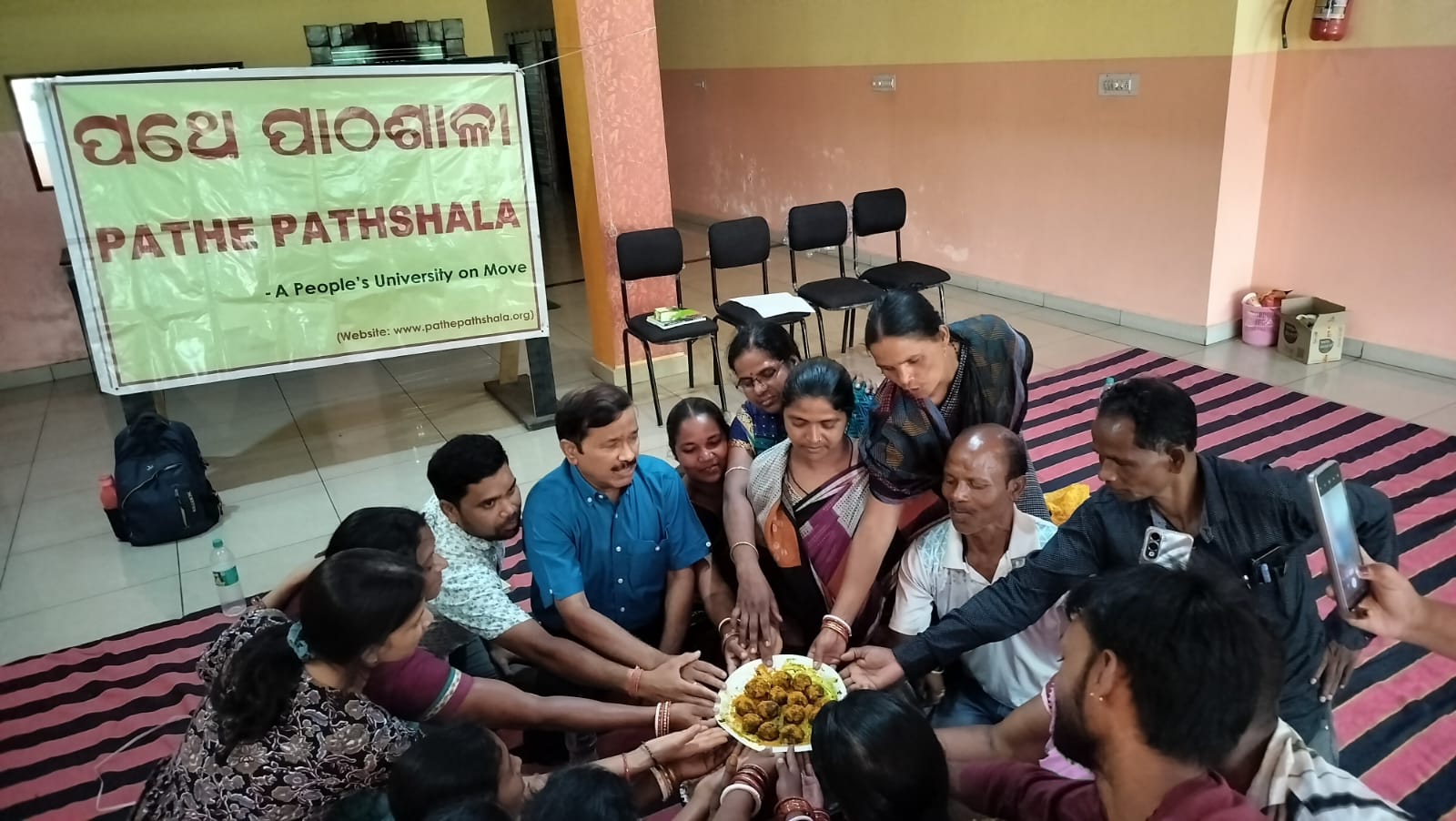
According to Dr Sahu, conventional training programmes run by universities and government institutes often fail to reach livestock keepers. That’s why he thought of launching Pathe Pathshala.
“Different agencies like universities and government run institutes fail to attract livestock keepers to training as they train them in cities with languages other than those of farmers. Women livestock keepers refuse to attend such training programmes, as they have to leave their children and old dependents at home. To overcome these difficulties the concept of the moving school, at the peoples’ place, in peoples’ time with peoples’ language came to mind. In practical, I see that ‘Democratization of knowledge and skills’ happen through these Pathe Pathshala classes and lead to sustainable development,” he said.
He continued: “Since its inception in 2008, this moving school has been reaching the unreached—delivering knowledge, skills, and training directly to people’s doorsteps, in their own language, and at their convenience. Unlike traditional training programmes that require participants to travel to towns or cities, often losing daily wages, Pathe Pathshala brings education to the people, especially empowering women who cannot leave their homes due to family responsibilities.”
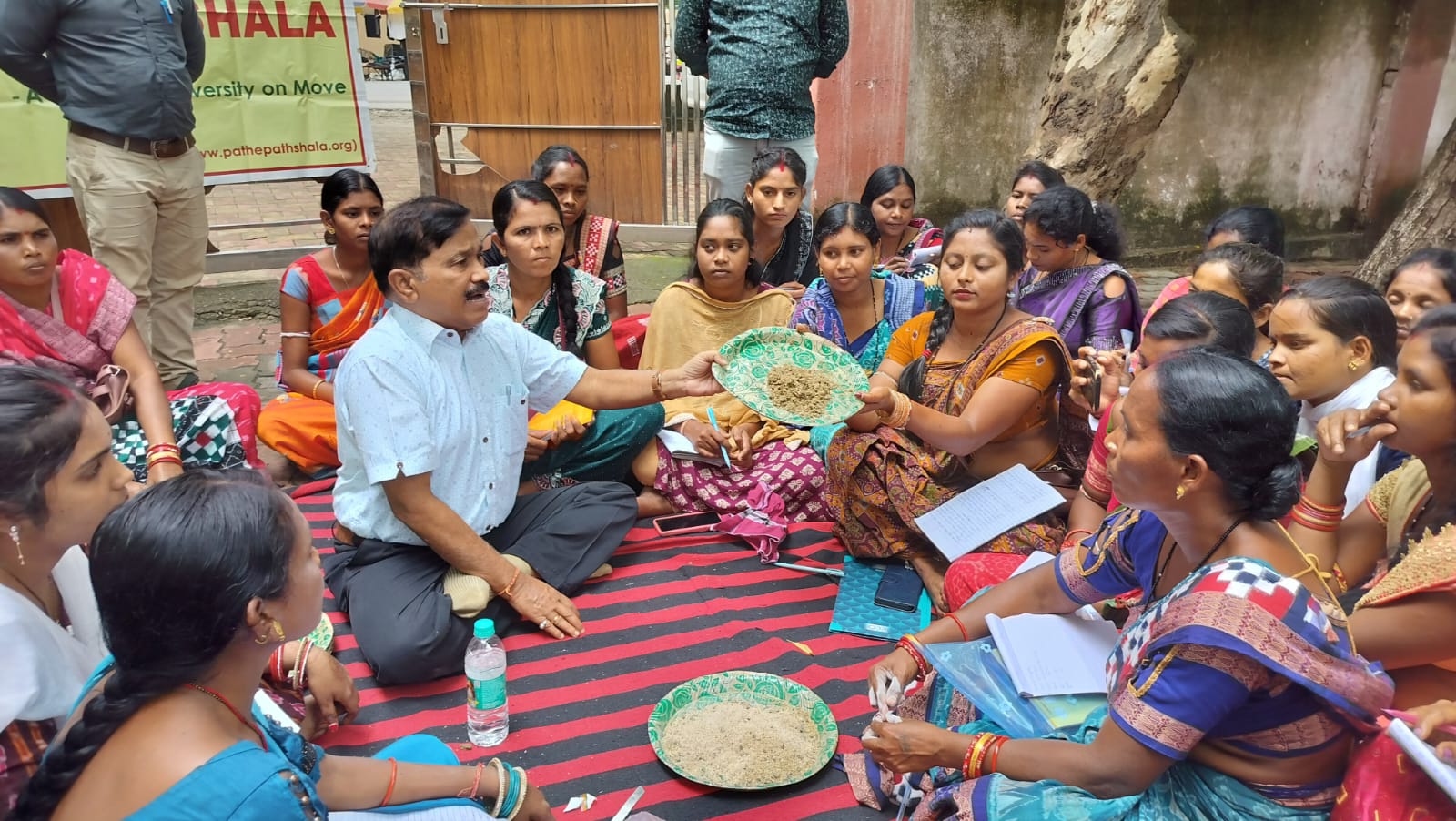
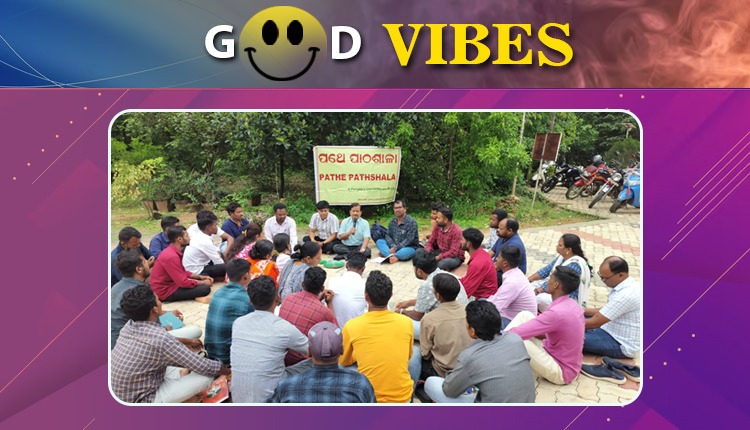
Since 2008, Dr Sahu has been holding his classes in open-air settings — without electricity or microphones. Relying instead on storytelling, rhymes, practical demonstrations and herbarium shows, he makes learning both accessible and engaging for rural communities.
The main stakeholders of Pathe Pathshala include small livestock keepers, pastoralists, school dropouts and unemployed youth and women at the grassroots. Sahoo interacts directly with these groups during Pathe Pathshala sessions, ensuring that education is accessible and relevant. After the classes, he maintains ongoing support through a tele-vet program, providing advice and assistance as needed. Study materials are distributed in local languages, and participants are given contact information to stay connected and continue their learning journey.
Sahu retired from his government job in 2020, yet he continues to serve farmers with the same dedication. “I was born in a farmer’s family in 1960 and understand the hardships the community faces,” he says. “I have been running Pathe Pathshala since 2008 for the farmers, for the students, and for the women in rural areas — in their time, at their place, and in their language. It is my way of showing them gratitude, and I will continue to do so for as long as possible.”
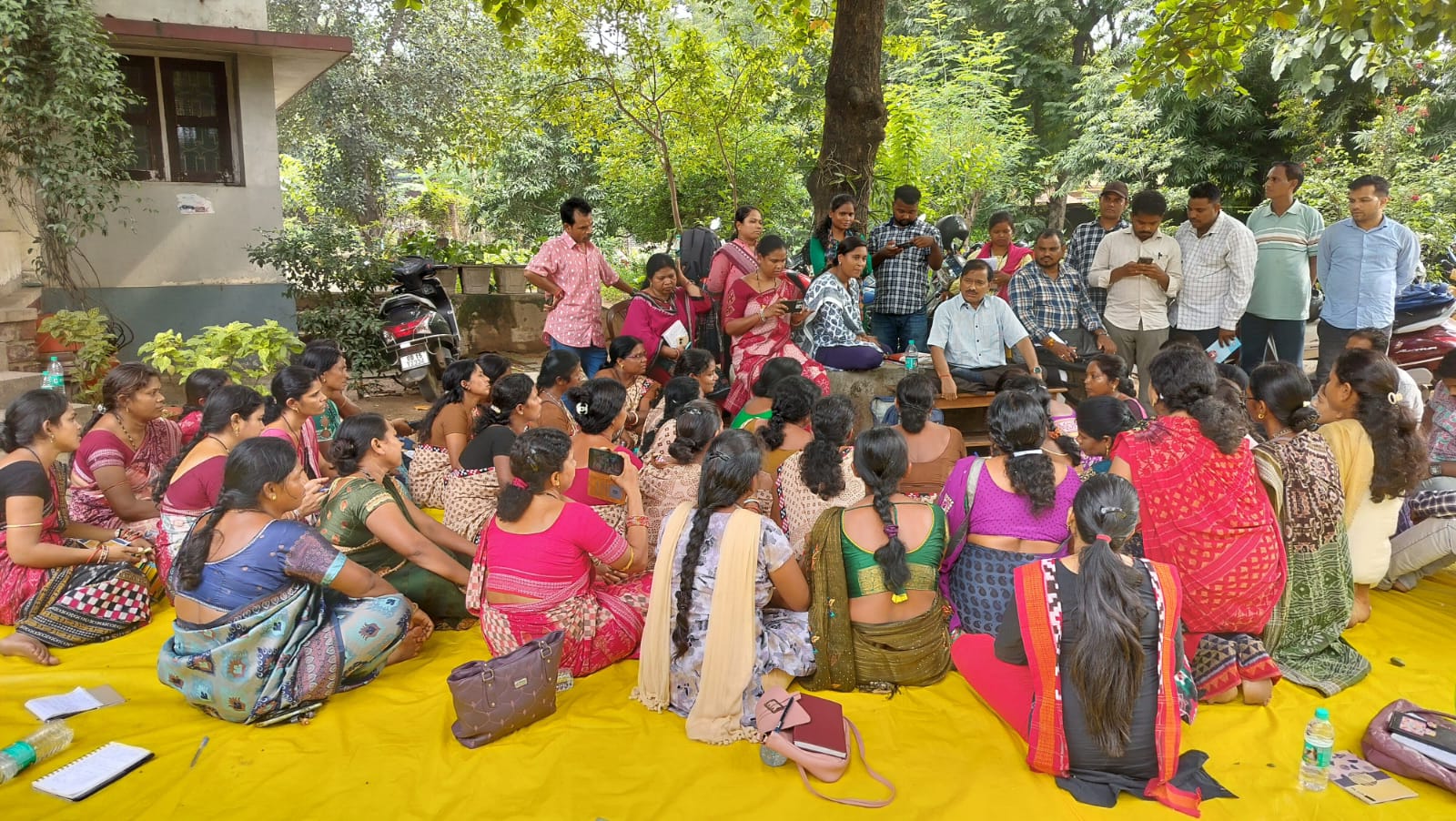
The core mission of Pathe Pathshala is to impart practical knowledge and skills related to livelihood, livestock health, and sustainable agriculture. Through storytelling, rhyming, and hands-on demonstrations, participants learn about ethno-veterinary practices, low-cost farming techniques, and climate-resilient livestock keeping. The initiative’s moving library, stocked with books and magazines in local languages, further enriches the learning experience.
When the COVID-19 pandemic struck and physical movement was restricted, Pathe Pathshala adapted swiftly. ‘Radio Pathe Pathshala’ used WhatsApp and social media to deliver audio lessons and solutions to over 25,000 households. People could even get their specific problems addressed through a simple missed call system, ensuring that support continued even in the toughest times.
Talking about the challenges he faced, Dr Sahu said, “Running Pathe Pathshala is not without its hurdles. The biggest challenge is funding. I have been running this initiative voluntarily, often covering logistics from my own pocket, with occasional help from friends and well-wishers. Despite the local hospitality, the lack of consistent financial support limits how far and wide I can take this mission. Another challenge is building confidence among the people I teach. Many are skeptical about herbal healing and low-input livestock management until they see results for themselves. Convincing them to trust their own abilities and the knowledge I share requires patience and persistence.”
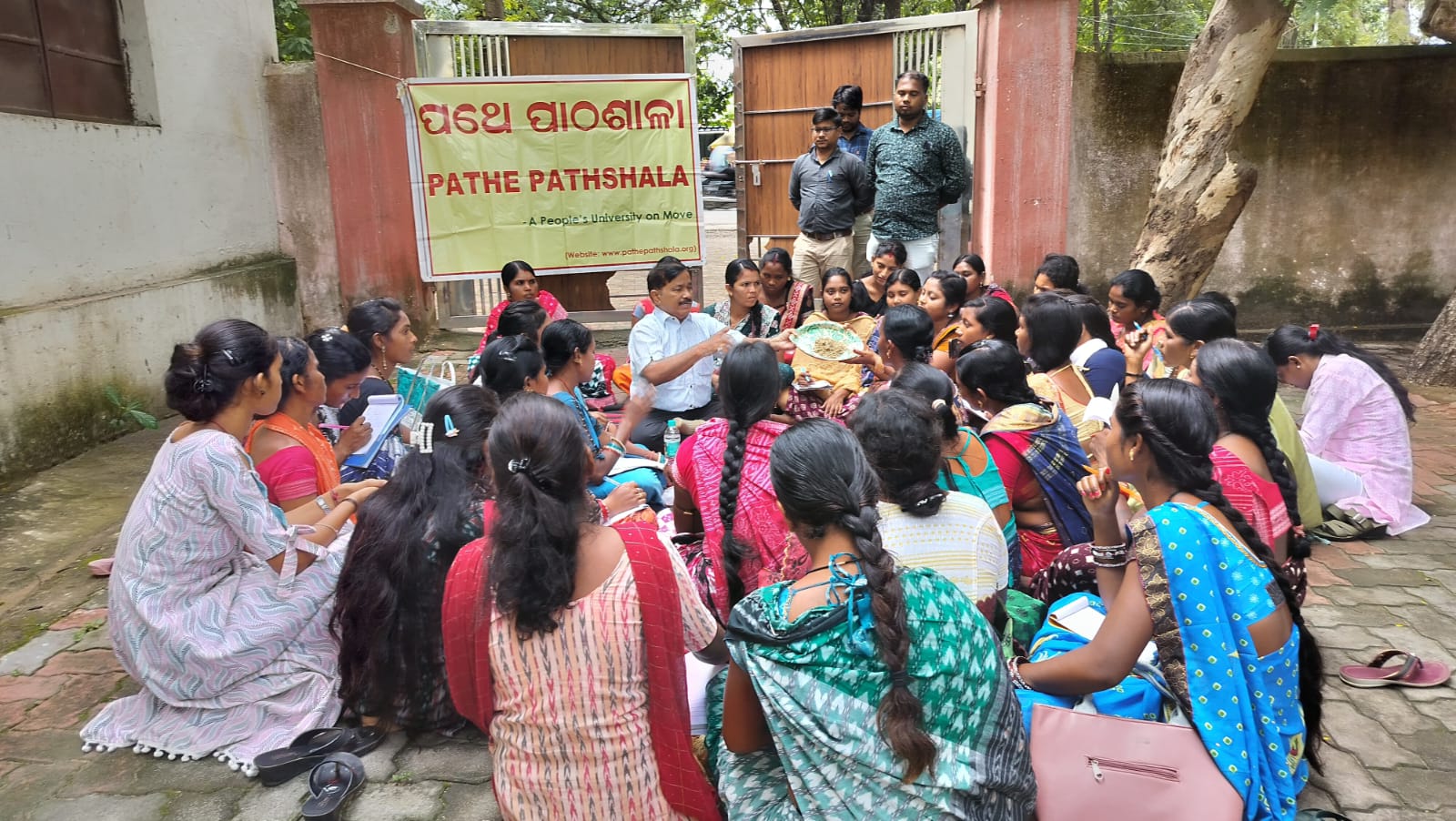
“Communicating complex skills to people who may not be formally educated is also difficult. I have to ensure that my teaching methods—storytelling, rhymes, practical demonstrations, and herbarium shows—are simple, engaging, and accessible. Poverty is a constant barrier, making it even more important to show how knowledge can lead to better livelihoods and self-reliance”, he added.
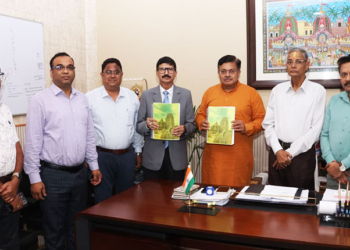
His work also received recognition from the Central government in 2011, which conferred upon him a National Award in Science and Technology Communication by the Department of Science and Technology (DST), acknowledging his outstanding and innovative techniques for communicating science and technology for the grass-root level. That’s not all. The Food and Agricultural Organization (FAO) of the United Nations has recognized the initiative for its outstanding work and potential for worldwide application.
His achievements do not end there. Dr Sahu has also authored practical books for his students and livestock keepers, including Jeunthi Pashu Daktara Pakhare Nahanti and Agar Aaspas Pashu Daktar Na Ho, which offer simple guidance on animal care for situations when a veterinary doctor is not available nearby.
Through his unwavering commitment, Dr Sahoo has democratized knowledge and empowered some of the most vulnerable members of society. In true sense, his journey serves as an inspiration, highlighting the transformative role educators can play in building resilient and self-reliant communities.