





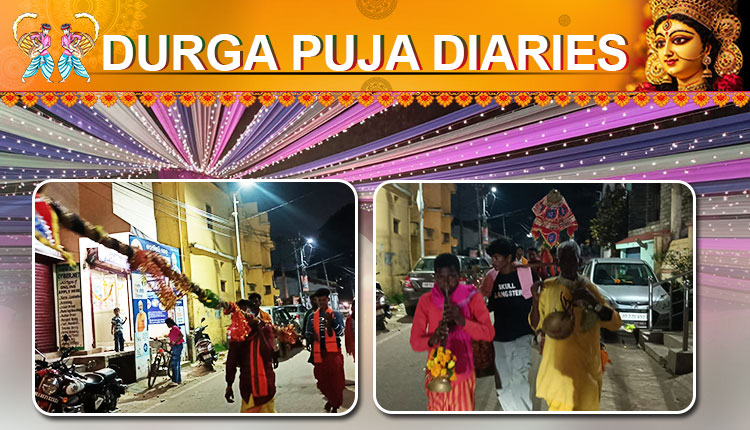
Jayapur: Rooted in centuries-old royal traditions and tribal customs, Dussehra in Odisha’s southern town of Jayapur unfolds as a unique celebration of faith, history and cultural heritage, earning the region the sobriquet “Mysore of the East”.
The 16-day Shodasha Dussehra transforms the town into a vibrant centre of devotion and pageantry, bringing together tribal communities, age-old rituals and memories of its royal past.
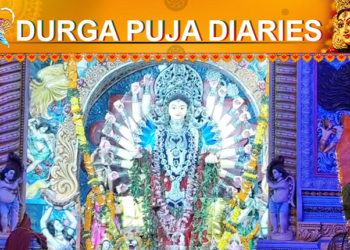
The festival’s origins date back to the 15th century, when Suryavanshi ruler Vijay Chandraksha Deva played a key role in Gajapati Purushottam Deva’s Kanchi expedition. As a mark of gratitude, the Gajapati gifted him the idol of Goddess Kanaka Durga, brought from Kanchi.
The deity was first enshrined at Nandapur, then the royal capital. In 1758, the idol moved with the dynasty to Jayapur, where King Vikram Deva I built a temple within the palace precincts. The Dussehra festivities subsequently evolved into an elaborate celebration combining royal ceremonies, martial traditions and community offerings.
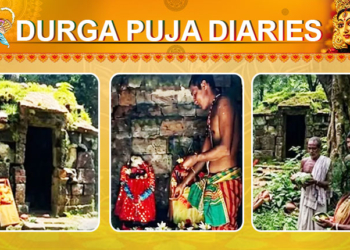
Tribal participation remains central to the festival. Members of the Sisa family of the Paraja tribe continue the tradition of offering freshly harvested rice as Anna Bhoga to the goddess.
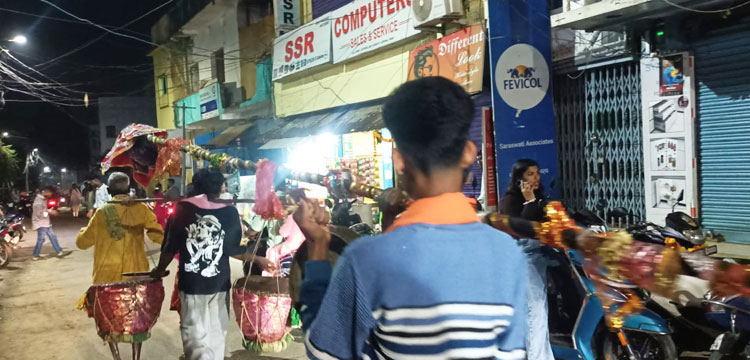
Tribal groups from Koraput, Malkangiri, Nabarangpur and Rayagada travel long distances with sacred bamboo poles, or lathis, regarded as manifestations of the goddess. Accompanied by drums and flutes, they join the ceremonial procession, preserving a ritual believed to be more than 300 years old.
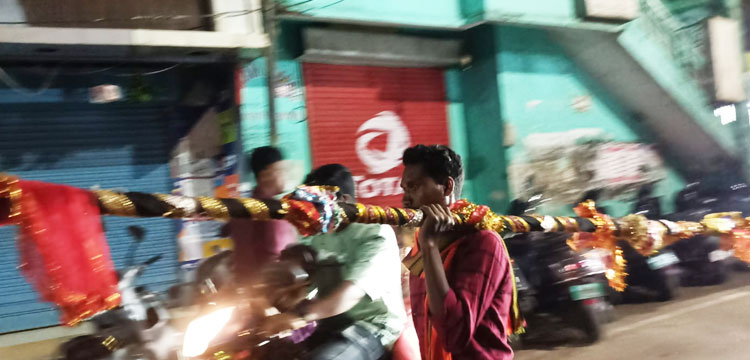
The sacred bamboo poles are kept at village altars throughout the year, symbolising faith and the community’s aspirations for prosperity. The tradition reflects the deep connection between the festival, tribal identity and agrarian life in southern Odisha.
Jayapur’s Dussehra was once marked by spectacular royal processions featuring silver palanquins, caparisoned elephants and decorated horses. Soldiers displayed weapons from the royal armoury, while British officials accompanied the royals. Dance, drama and music added to the festivities.
Maha Ashtami traditionally featured buffalo sacrifices to Goddess Kanaka Durga, while Vijayadashami saw the king lead a grand procession to the Dussehra ground for the Aparajita Puja.
Today, the festival continues to embody Jayapur’s distinctive cultural identity, bringing together royal heritage, tribal traditions and popular devotion in a celebration that has endured across generations.