





Bhubaneswar: Lakhs of devotees across Odisha celebrated Kartik Purnima on Tuesday by floating miniature boats in rivers, ponds and other water bodies as part of the traditional Boita Bandana ritual, commemorating the maritime heritage of ancient Kalinga.
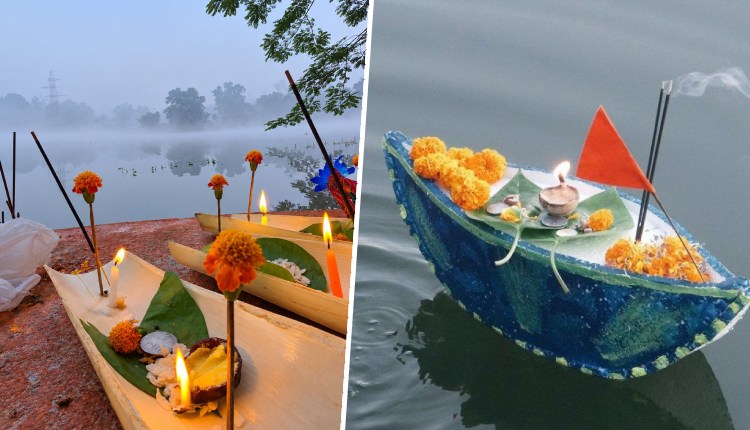
From the early hours of the day, people thronged various water bodies across the state to float miniature boats made of banana leaves, paper and thermocol, decorated with lamps, flowers and incense sticks. The ritual symbolises the ancient seafaring traditions of Kalinga traders, who sailed to distant lands, including Bali, Java, Sumatra, Myanmar and Sri Lanka, for trade.
Chanting the traditional verse, “Aa Ka Ma Boi, Pana Gua Thoi, Pana Gua Tora, Masaka Dharama Mora, Boita Bandana Ho!”, devotees offered prayers for prosperity, good fortune and safe voyages.
In Bhubaneswar, a large number of people gathered at Bindusagar in the city’s Old Town to perform the rituals. Similar scenes were witnessed at Kataka’s Gadagadia Ghat on the Mahanadi and Debi Ghat on the Kathjodi River, where devotees participated in the celebrations.
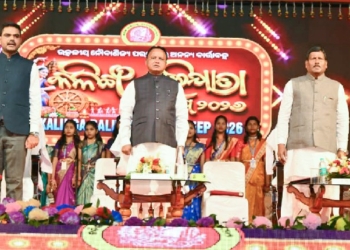
The festivities also marked the beginning of the annual Balijatra in Kataka, a seven-day fair that commemorates Odisha’s historic maritime trade links and cultural exchanges with Southeast Asian countries.
At Puri sea beach, thousands of people gathered from late Monday night to float miniature boats in the sea as part of the Kartik Purnima celebrations.
“Odia sailors (Sadhabas), used to sail across the Bay of Bengal to distant lands to trade goods and bring back cultural influences. Festivals like Boita Bandana remind us of this glorious past,” said an elderly woman participating in the rituals.
The banks of the Daya and Kuakhai rivers also witnessed gatherings of devotees, with traditional chants and devotional activities marking the occasion.
Boita Bandana is observed every year on Kartik Purnima, the full-moon day of the Hindu month of Kartik. The ritual recalls the voyages undertaken by ancient Kalinga merchants, who travelled across the seas for trade and cultural exchanges.
The festival continues to serve as a reminder of Odisha’s historical connections with Southeast Asia and its rich maritime legacy.