





Bhubaneswar: Odisha generates around 45 million tonnes of fly ash annually from thermal power plants, prompting the state government to intensify efforts to ensure its safe disposal and achieve 100 per cent utilisation, officials said on Tuesday.
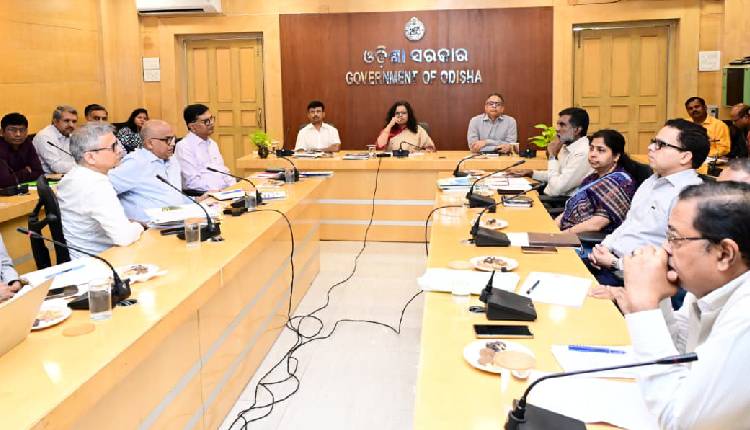
The issue was discussed at a meeting convened by the Odisha State Pollution Control Board (OSPCB) at Lok Seva Bhavan here on Tuesday, chaired by Chief Secretary Anu Garg.
The state’s fly ash utilisation rate stood at 98.63 per cent in 2025-26, according to data presented at the meeting. Participants discussed measures to bridge the gap and strengthen monitoring, transportation and environmentally sound disposal practices.
Special focus was placed on Jharsuguda, Sundaragada, Sambalpur, Anugola and Dhenkanal districts, where fly ash management remains a key concern. Collectors of these districts joined the meeting virtually.
Officials highlighted environmental and public health risks arising from the transportation of fly ash in uncovered or inadequately covered vehicles, including dust pollution, contamination of soil and water, and potential damage to agricultural land.
The meeting stressed strict compliance with environmental norms while using fly ash to fill low-lying areas and abandoned mine voids, including proper site preparation, transportation arrangements and subsequent land reclamation.
Emphasising the need to treat fly ash as a resource rather than waste, participants explored its wider use in cement manufacturing, ready-mix concrete, geopolymer-based construction materials, sintered ash aggregates, road construction and embankments.
The discussions also covered promoting fly ash-based products, encouraging micro and small enterprises and setting up cement grinding units near thermal power plants to expand long-term utilisation.
To improve transparency and accountability, the OSPCB proposed technology-driven tracking of fly ash transportation and disposal. The system would incorporate GPS-based vehicle tracking, QR code-enabled digital consignment certificates, monitoring of approved routes, verification of delivery and automated alerts for route violations.
The Chief Secretary called for strengthening district-level task forces and prioritising the establishment of a dedicated fly ash management cell within the OSPCB. Other measures discussed included revising standard operating procedures for filling low-lying areas, ensuring transportation in fully covered vehicles, identifying abandoned mines for potential utilisation and curbing illegal dumping.
The meeting underscored the need for coordinated action by government departments, the Pollution Control Board, district administrations, industries and other stakeholders to enforce regulations and minimise the environmental impact of fly ash.
Senior officials from the Chief Minister’s Office, Energy, Electronics and Information Technology, Forest, Environment and Climate Change, Panchayati Raj and Drinking Water, Rural Development and other departments, along with representatives of industrial organisations, attended the meeting.