





New Delhi: Odisha received investment proposals worth ₹43,437 crore with the potential to generate more than 43,000 jobs on the opening day of its first sector-specific food processing investment roadshow, Odisha Food Pro 2026, held in the national capital on Friday.
Led by Chief Minister Mohan Charan Majhi, the event marked Odisha’s first dedicated investment outreach focused exclusively on the food processing sector and showcased the state’s strategy to integrate agriculture, food processing, exports and industrial growth under a unified development framework.
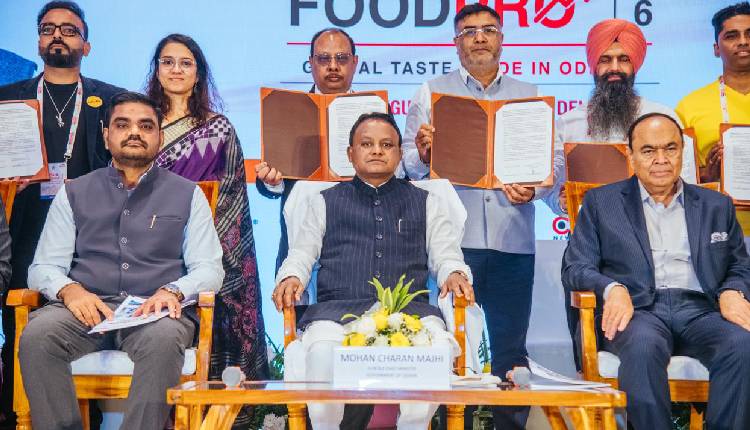
As part of the roadshow, the state government signed 27 Memorandums of Understanding (MoUs) involving proposed investments of ₹41,748 crore. These projects are expected to create around 35,252 employment opportunities. In addition, the government received 12 Investment Intent Forms (IIFs) worth ₹1,689 crore, with the potential to generate another 8,064 jobs. Together, the proposals amounted to ₹43,437 crore and an estimated 43,316 employment opportunities.
Addressing industry leaders, Majhi said food processing is a key driver of farmers’ prosperity, rural transformation and industrial development. He said Odisha aims to emerge as India’s preferred destination for food processing by creating value for farmers while expanding employment, exports and manufacturing.
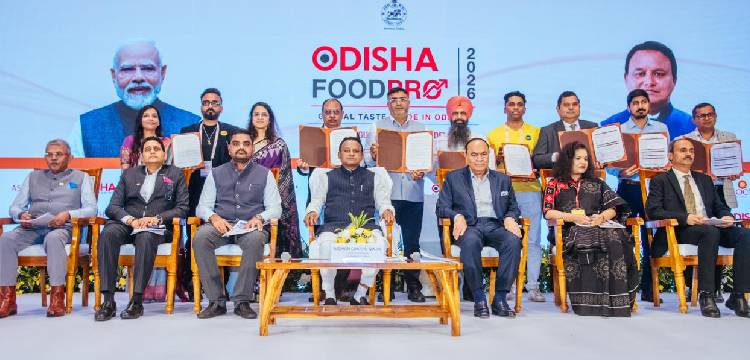
The Chief Minister said the government envisions food processing as an instrument of economic transformation that directly benefits farmers, fishermen, women entrepreneurs, Self-Help Groups, Farmer Producer Organisations and rural enterprises. He stressed that the state’s focus is to ensure that a larger share of Odisha’s agricultural and marine produce is processed within the state, thereby increasing producer incomes and creating sustainable employment for youth.
Highlighting Odisha’s advantages, Majhi said the state offers abundant raw materials, ten agro-climatic zones, a 575-kilometre coastline, a strong fisheries sector, expanding port infrastructure, improved logistics and an investor-friendly policy environment. These strengths, he said, provide industries with a complete ecosystem from sourcing and manufacturing to exports and access to global markets.
The Chief Minister also outlined a long-term roadmap for the sector built around five priorities—developing specialised food processing clusters, expanding integrated cold-chain and warehousing infrastructure, strengthening food quality and certification systems, integrating Farmer Producer Organisations, MSMEs and women-led Self-Help Groups with organised industry, and creating a globally competitive skilled workforce.
He assured investors that the state government would continue to provide end-to-end support through faster approvals, transparent governance and continuous institutional facilitation to ensure timely execution of projects.
Industries, Skill Development and Technical Education Minister Sampad Chandra Swain said Odisha is working to become a globally competitive hub for value-added food processing by leveraging its agricultural and marine resources. He said the government is building an integrated ecosystem that enables farmers, MSMEs, Farmer Producer Organisations, women-led enterprises and global industries to grow together while creating employment, increasing rural incomes and promoting sustainable industrial development.
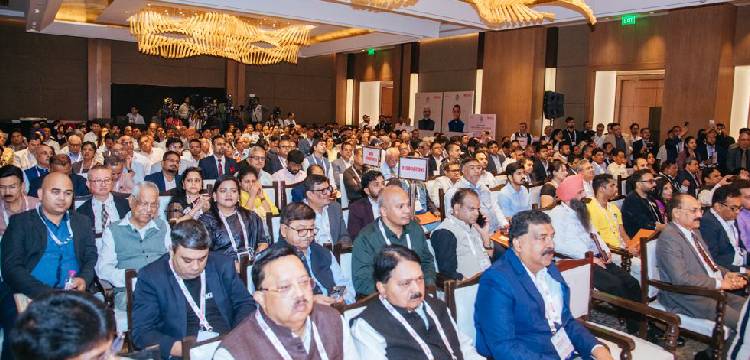
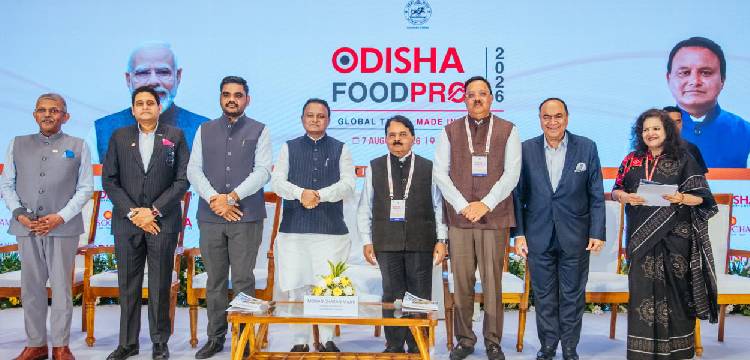
The event was attended by Chief Secretary Anu Garg, Additional Chief Secretary (Industries) Hemant Sharma, senior government officials, representatives of ASSOCHAM and more than 300 industry leaders, investors, entrepreneurs and business delegates from across the country.
Following the roadshow, the Chief Minister held a series of one-on-one meetings with leading industry representatives to discuss project-specific investments and long-term partnerships in food processing and allied sectors as part of Odisha’s two-day investment outreach in New Delhi.
The state government said Odisha Food Pro 2026 marks the beginning of a focused effort to position Odisha as a leading food processing destination by converting its agricultural strengths into value-added industries, higher farmer incomes, stronger exports and large-scale employment generation.