





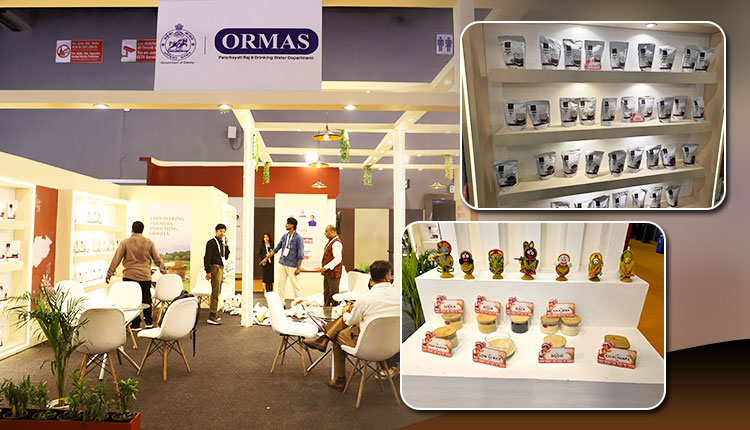
Bhubaneswar: With an aim to introduce Odisha’s agricultural heritage and diversity of traditional rice to the world, 15 varieties of paddy and rice products from eight districts are being showcased at the Bharat International Rice Conference (BIRC) 2026 being held at Bharat Mandapam, New Delhi from October 23 to 25.
The initiative has been taken by Odisha Rural Development and Marketing Society (ORMAS) under the Panchayati Raj and Drinking Water Department to take Odisha’s unique products to larger markets and create employment opportunities for rural people.
The participation recognizes the contribution of farmer communities in preserving traditional agricultural knowledge. As many as 3,695 members of 85 Community Based Organizations have participated in the initiative.
The rice products on display include Sarala, Sona Masuri, Puja and Samrat from Puri, Lilavati Parvot Rice from Kendrapara, GI-tagged Kalajeera from Koraput, Mugei, Salaphula and Kalachampa from Mayurbhanj, Black Rice (Jasmine) from Bargarh, Khanipaka and Black Rice (Labanya) from Ganjam, Kanderojhal and Machhkanta from Sundargarh and Low-GI Rice from Jagatsinghpur.
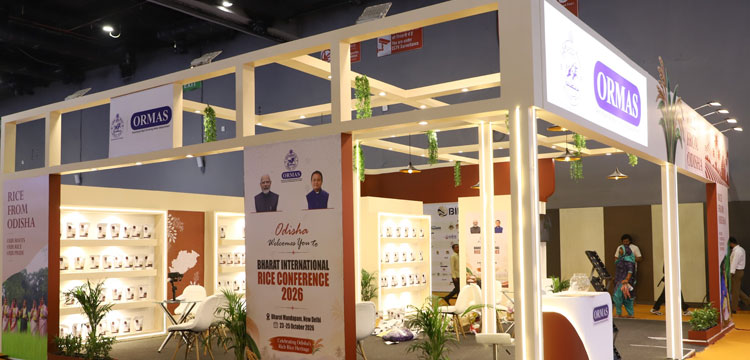
Chief Minister Mohan Charan Majhi said the conference will provide a global platform for Odisha’s special rice varieties. “This platform will bring Odisha’s special rice varieties to the world. Our traditional rice has the knowledge acquired by farmers for generations, the identity of our region and the diversity of nature. Through this rich heritage, our aim is to create more market opportunities, strengthen rural livelihoods and ensure overall development,” he said.
The participation goes beyond display. ORMAS aims to connect farmers and producer groups with traders, retailers, rice processing companies, hotels, restaurants and institutional buyers, focusing on attractive packaging, sample display, supply chain systems and business partnerships.
Rural Development Minister Rabi Narayan Naik said through ORMAS the government is working to connect rural producers with markets by strengthening community-based organizations, improving quality and packaging and increasing business linkages to help farmers get better financial benefits.
Emphasis is also being laid on product aggregation, quality checking, branding and value addition to help producer groups scale up businesses and reach more consumers.