





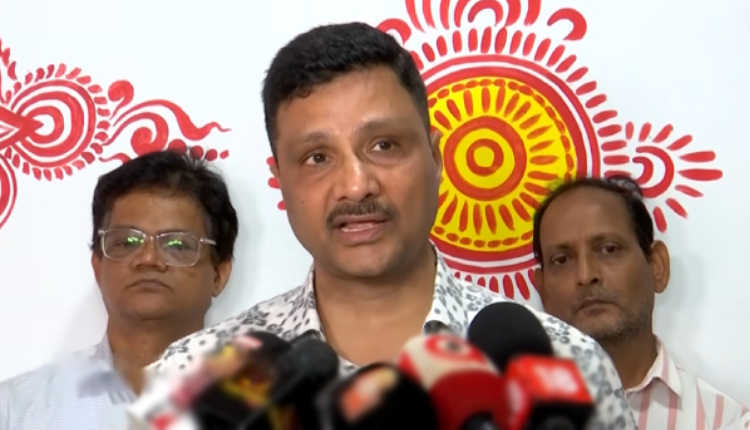
Bhubaneswar: The proposed queue-based system for regulated darshan at the Nata Mandap of the Shree Jagannath Temple in Puri will undergo further modifications in response to suggestions from servitors and technical experts, Chief Administrator of the Shree Jagannath Temple Administration (SJTA), Dr Arabinda Kumar Padhee, said on Wednesday.
Speaking to reporters, Padhee said several rounds of discussions and consultations had been held with various stakeholders, including temple servitors, members of the Chhatisha Nijog, former members of the Shree Jagannath Temple Managing Committee and technical experts, to finalise the proposed arrangements.
He said an initial blueprint had been prepared and a sample model presented for inspection. Representatives of the servitors visited the site and examined the model, while members of the technical committee also reviewed the proposal and recommended certain modifications.
The project is being undertaken with financial assistance from the State Government through the Odisha Bridge & Construction Corporation Limited (OBCC). Technical experts from IIT Bhubaneswar were also consulted and prepared a blueprint based on their inputs, Padhee said.
“Servitors have suggested that certain changes are required in the existing blueprint. I have also personally visited the site and inspected the proposed arrangements. Our highest priority is to ensure that the daily rituals and traditions of the Shree Jagannath Temple are not affected in any way,” he said.
Emphasising the importance of preserving the sanctity of the temple’s traditional practices, Padhee said the proposed arrangements must not interfere with rituals performed by servitors at the Bhoga Mandap or any other religious activities.
He said the SJTA would incorporate the suggestions received from servitors and make the necessary modifications to the proposed ramp and queue-based darshan arrangements.
“We will further improve the ramp arrangements based on the suggestions received and hold additional discussions with the servitors. Once the arrangements are finalised, they will first be implemented on a trial basis,” Padhee said.
The proposed system will be thoroughly tested to identify and address any inconvenience or operational difficulties before its full-scale implementation, he added.
Padhee said the administration would proceed with the rollout only after ensuring that the system was functioning smoothly without disrupting the temple’s daily rituals and traditions.