


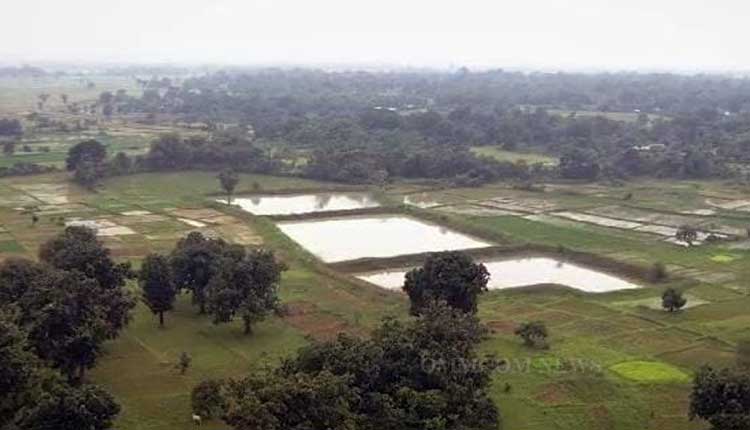
Kalinganagar (Jajpur): Transformative and sustainable development for local villages is underway in the Kalinganagar region, spearheaded by the Tata Steel Foundation (TSF). Through a comprehensive and sustained effort, TSF has significantly enhanced the region’s water infrastructure by developing 243 new ponds over the last five years. This initiative represents a substantial investment in creating permanent water assets, ensuring long-term water security and boosting agricultural potential for thousands of families across 28 Gram Panchayats through Water Harvesting Structures (WHS) in the Kalinganagar region.
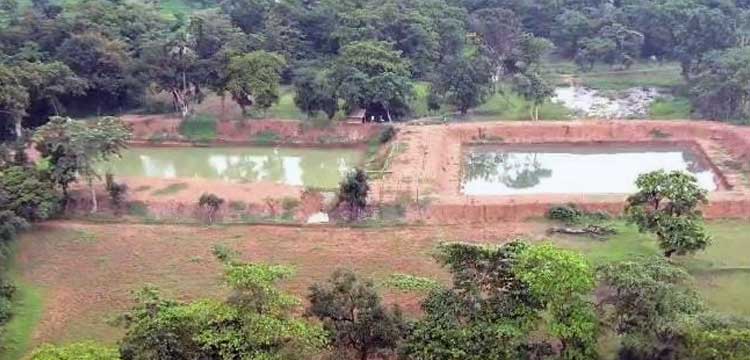
The initiative has been strategically implemented across the Danagadi and Sukinda blocks of Jajpur district. TSF has successfully created 139 water-harvesting ponds in the Danagadi block, complemented by the construction of 104 ponds in the Sukinda block. Designed to maximise rainwater capture and retention, these ponds serve as vital reservoirs that contribute directly to groundwater recharge and provide reliable irrigation resources—particularly crucial for sustaining crops during dry spells.
“Our efforts to build these essential water assets stem from a deep commitment to Kalinganagar’s ecosystem and its people. Beyond physical structures, it is about nurturing a sustainable future, fostering ecological balance, and enabling local communities to thrive with brighter prospects. We are truly encouraged to witness the tangible, positive transformation in people’s lives and livelihoods, which strengthens our resolve towards inclusive growth and environmental stewardship,” said Debanjan Mukherjee, Head, Kalinganagar Impact Cluster, Tata Steel Foundation. He added, “In the current financial year alone, TSF has already completed 59 new ponds—27 in Danagadi and 32 in Sukinda.”
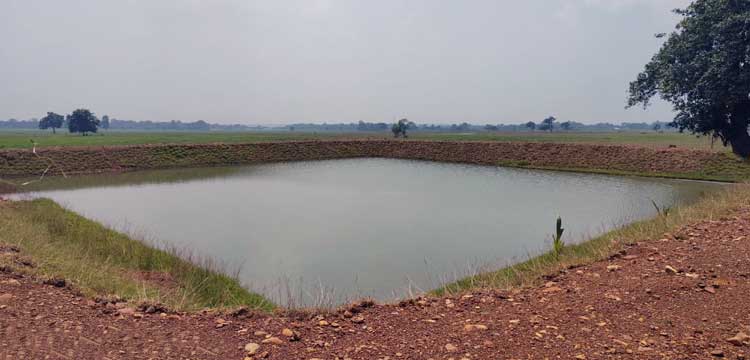
Siddheswar Jamuda, a farmer from Patapur village, shared that he earlier depended solely on a single annual paddy crop. However, since the Tata Steel Foundation constructed ponds in the area, his farming practices have transformed. With a reliable water supply, he now cultivates seasonal vegetables alongside paddy, earning significantly higher profits. Additionally, the community has begun maximising its resources through fish and duck farming, while utilising pond embankments to grow lemons, bananas, and other vegetables.
Naresh Shuddha from Phuljhar village said, “Earlier, water scarcity restricted us to paddy cultivation, resulting in a meagre annual income of Rs 5,000 to Rs 10,000. Following recent water conservation and irrigation interventions, farmers have diversified their crops and witnessed substantial financial improvement, with annual earnings now rising to Rs 70,000– Rs 1,00,000.”
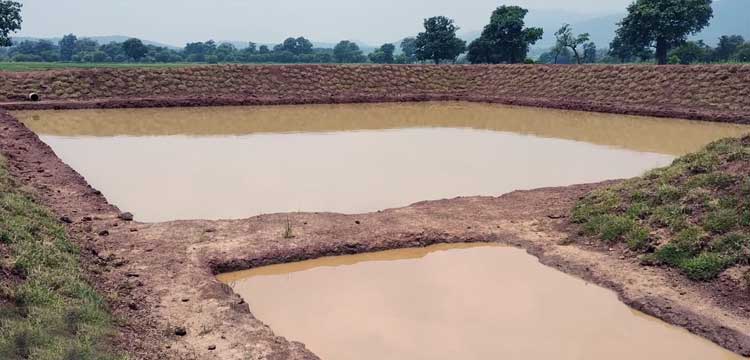
Through the thoughtful establishment of these 243 vital surface water sources, the Tata Steel Foundation is working closely with local farmers to enhance water security for both agricultural and daily needs, while gradually alleviating the pressures of water scarcity and its ecological impact across the Danagadi and Sukinda blocks. This collaborative endeavour reflects TSF’s strong commitment to nurturing a vibrant, sustainable, and prosperous future alongside the communities in and around the Kalinganagar region.