





Bhubaneswar: Odisha Chief Secretary Anu Garg on Wednesday called upon tribal youth to play a pivotal role in realising the state’s Vision Odisha-2036 and the national goal of Viksit Bharat-2047, while urging field-level officers to intensify efforts to improve education, healthcare, nutrition, skill development, livelihoods and employment opportunities in tribal areas through effective grassroots implementation.
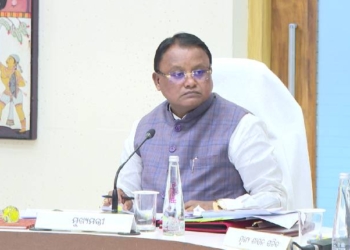
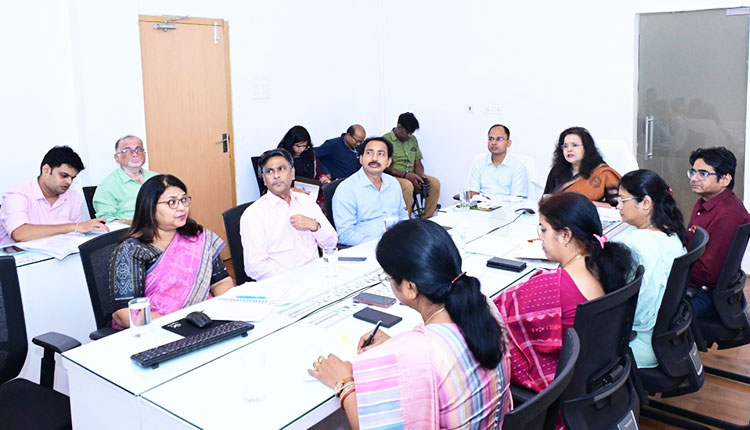
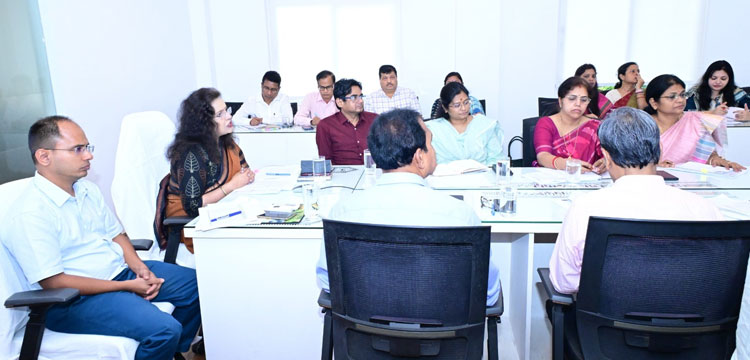
Chairing a review meeting of the Scheduled Tribes and Scheduled Castes Development, Minorities and Backward Classes Welfare Department at Lok Seva Bhawan on Tuesday, Garg said the state government is committed to ensuring the inclusive development of tribal communities by integrating them into the mainstream of economic and social progress.
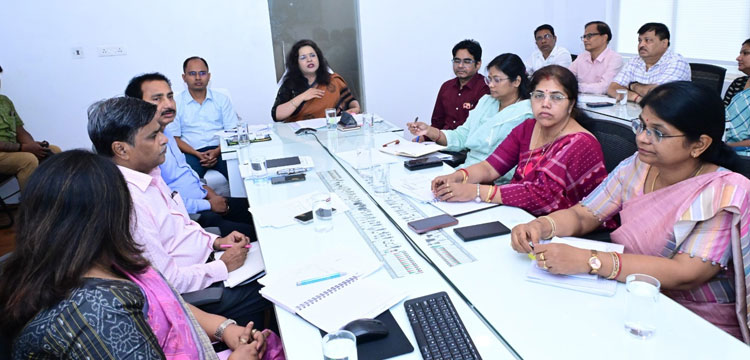
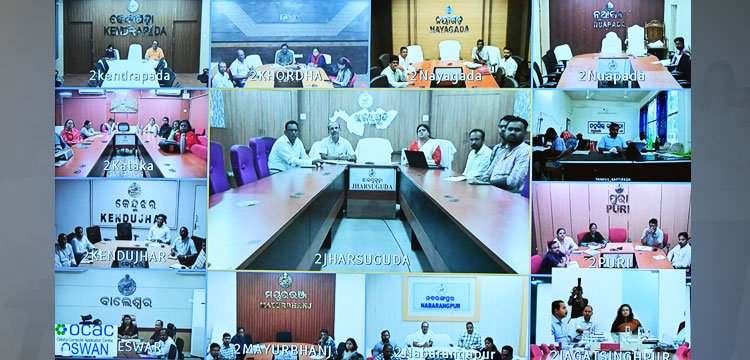
The meeting was attended by Commissioner-cum-Secretary of the department B. Parameswaran, while Project Administrators of Integrated Tribal Development Agencies (ITDAs), District Welfare Officers and Special Officers of micro-projects from across the state joined virtually.
Highlighting the state’s long-term development roadmap, the Chief Secretary said Odisha aims to expand its economy to 500 billion US dollars by 2036 and further to 1.5 trillion US dollars by 2047. Achieving these milestones, she said, is expected to generate over one crore new employment opportunities, making workforce skill development across agriculture, industry, infrastructure, manufacturing and the services sector a key priority.
Garg noted that nearly 37 per cent of Odisha’s geographical area is under forest cover, with a significant tribal population residing in these regions. She said the government has placed tribal development among its highest priorities through initiatives including free education, hostels, scholarships, Ashram schools, Eklavya Model Residential Schools, free textbooks and uniforms, competitive examination coaching, higher education support, reservation benefits, Direct Benefit Transfer-based scholarship disbursement and the PM-JANMAN scheme.
She stressed the need to provide tribal students with quality education, vocational training and an enabling environment from an early stage to equip them with the skills required to contribute to the state’s economic growth. She also asked officials to adopt a transformational approach rather than a routine administrative mindset while implementing welfare programmes.
Calling for focused interventions for Scheduled Castes, Scheduled Tribes, Other Backward Classes, minority communities and Particularly Vulnerable Tribal Groups (PVTGs), the Chief Secretary emphasised outcome-based governance, inter-departmental coordination and accountability. She said programmes centred on prosperity, health and equality, along with investments in entrepreneurship, digital education, nutrition and livelihood generation, would strengthen the participation of tribal communities in Odisha’s inclusive development.
Garg also proposed connecting successful tribal professionals and students from India and abroad with Ashram schools and other educational institutions as role models through physical visits and virtual interactions to inspire students to pursue higher education and rewarding careers.
On economic empowerment, she said value addition to forest produce instead of mere collection could promote small-scale and household industries in tribal areas. She further highlighted the potential of training tribal youth in eco-tourism, tour guiding, hospitality, housekeeping and other service-sector activities to create sustainable employment opportunities and enhance household incomes.