





Bhubaneswar: Women farmers are increasingly playing a leadership role in participatory irrigation management in Rengali command area, taking part in decisions on water distribution, canal management and resolution of irrigation-related disputes under the JICA-assisted Rengali Irrigation Project, Phase-II.
Implemented by the Water Resources Department, the project aims to bring 39,416 hectares under irrigation across Dhenkanal, Jajpur and Kendujhar districts. In Bhuban and Sukinda blocks, 118 village-level Women Interest Groups (WIGs) have been formed and linked to 45 Pani Panchayats to strengthen women’s participation in local water governance.
Women members are serving in leadership positions in WIGs, Chak Committees and elected bodies of Pani Panchayats, providing them an institutional platform to influence irrigation-related decisions.
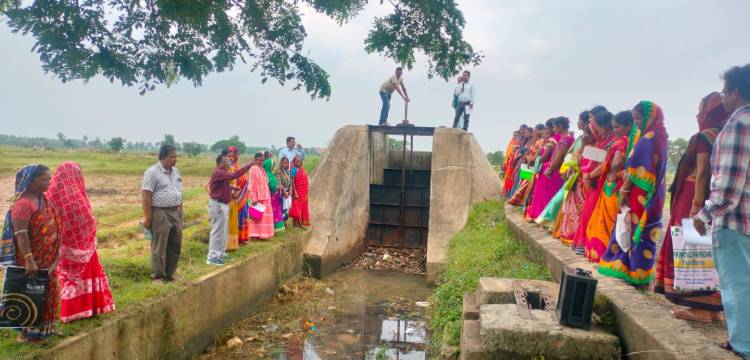
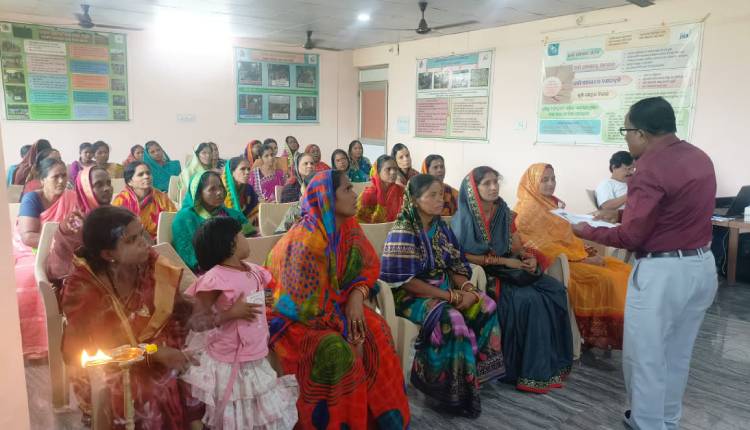
To enhance their managerial and technical skills, the Water and Land Management Institute (WALMI), in collaboration with the project’s Agriculture Project Management Unit (Agri-PMU), has been conducting training programmes on participatory irrigation management, improved farming techniques and livelihood development.
The training modules cover the functioning of Pani Panchayats, canal operation and maintenance, record-keeping, equitable water distribution and dispute resolution under the Pani Panchayat Act, 2002 and Rules, 2003. Field-based activities, including command area mapping, canal monitoring, demonstrations and exposure visits, are also part of the programmes.
Since 2026, WALMI has conducted more than 43 training programmes, benefiting around 1,000 women farmers and 1,300 other farmers, according to the official statement.
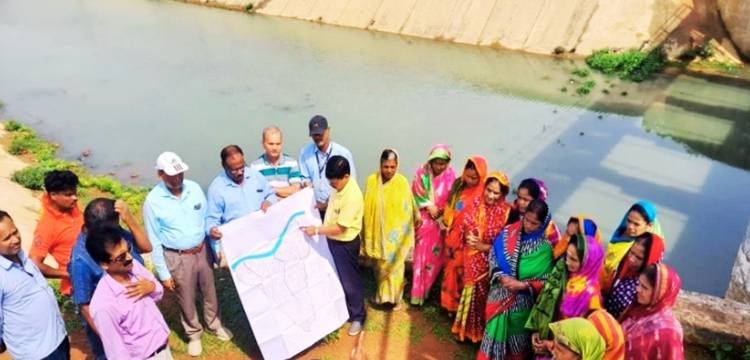
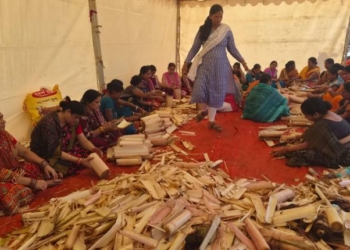
The initiative also focuses on better agricultural practices, including seed treatment, organic and climate-resilient farming, improved paddy cultivation and paddy straw mushroom production. Farmers are being encouraged to diversify into pulses, oilseeds and other non-paddy crops to strengthen their livelihoods.
Experts from the Agriculture and Horticulture Departments and other institutions are providing technical guidance on crop selection, government schemes, post-harvest management and marketing. Specialised training is also being imparted to newly recruited Assistant Executive Engineers and Junior Engineers.
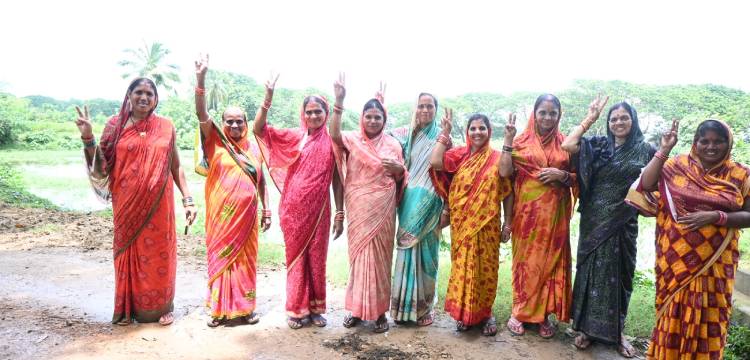
The initiative seeks to strengthen community-based irrigation institutions by enhancing women’s representation in decision-making and improving their agricultural and technical capabilities, the statement added.