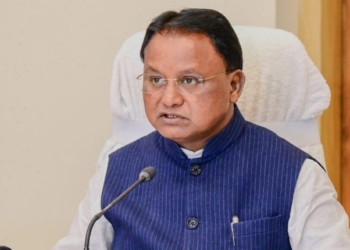






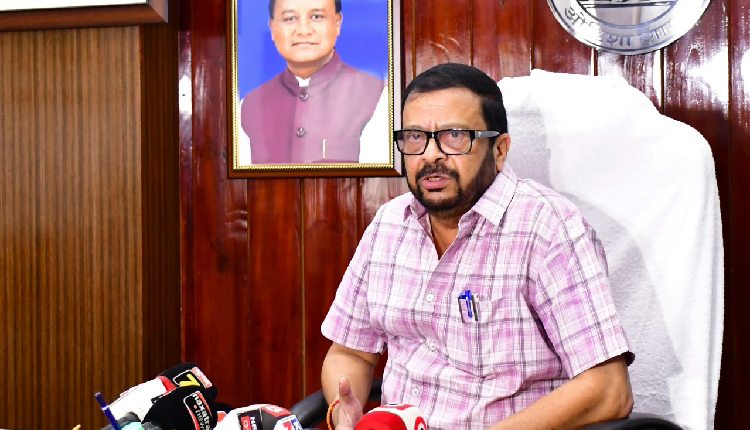
Bhubaneswar: With the situation in Odisha gradually returning to normal after Cyclone Akvan, Revenue and Disaster Management Minister Suresh Pujari on Saturday described the achievement of zero casualties as a major success, crediting the outcome to the state government’s preparedness and coordinated response by various departments and agencies.
Thanking officials, disaster-response teams, elected representatives, social workers and the media for their contributions, Pujari also appreciated Chief Minister Mohan Charan Majhi for personally monitoring the cyclone preparedness and response operations.
The minister said the government had received reports of crop damage and paddy soaked in rainwater in several areas. Assuring farmers of all possible assistance, he said field-level assessments would be undertaken wherever necessary to ascertain the extent of losses.
Farmers would be provided input subsidies in accordance with SDRF and NDRF guidelines, while efforts would be made to ensure early settlement of crop insurance claims. Arrangements would also be made for drying and safeguarding rain-soaked paddy, he added.
Expressing concern over recurring flood-related problems in different parts of the state, particularly the recent situation in Ganjam district, Pujari said the government would soon convene special review meetings on major river systems to evolve permanent solutions.
The proposed exercise would cover the Mahanadi, Rengali, Brahmani, Baitarani and Rushikulya river systems, among others, with officials of the Water Resources and Revenue and Disaster Management departments and district administrations participating in the discussions.
Special emphasis would be placed on addressing recurring flood problems in Baleshwar, Bhadrak, Jajpur, Kendrapada, Jagatsinghpur and Ganjam districts. The Odisha State Disaster Management Authority (OSDMA) has been directed to undertake a post-flood review.
Pujari said a comprehensive, long-term action plan would be prepared based on past experiences of floods and cyclones, available data and detailed assessments of river systems. Strengthening embankments, upgrading associated infrastructure, improving drainage networks and adopting modern technology would be key components of the roadmap.
The government would also seek technical assistance from IITs and other reputed research institutions wherever necessary, he said, stressing that the objective was to minimise recurring damage to crops, houses and infrastructure and prevent disruptions to education and developmental activities.
He said the government was committed to developing an integrated, scientific and sustainable strategy to address the growing challenges posed by natural disasters.