






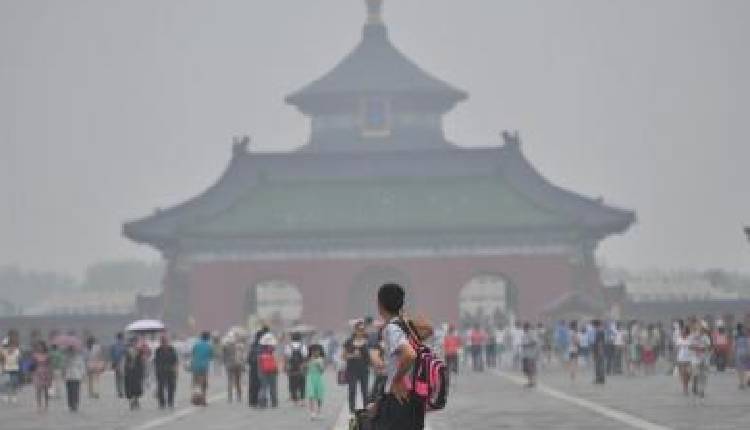
Beijing: While Beijing projects itself as a clean energy leader by highlighting relatively low emissions in relation to GDP, this does not necessarily translate into an actual decline in its overall emissions. China’s climate-vulnerable neighbours, including Nepal, Bhutan and Bangladesh, are left to bear the consequences, a report has stated.
According to a report in ‘The Diplomat’, this reflected a wider imbalance, with China reaping the economic benefits of coal-fired power plants through guaranteed purchases, while its rising emissions heighten climate risks for neighbouring countries. Beijing, meanwhile, has done little to address these risks through timely information-sharing
China accounts for nearly 33 per cent of global greenhouse gas emissions, releasing approximately 13.1 billion tonnes and making it Asia’s largest emitter. However, concerns over Beijing’s climate responsibility extend beyond its enormous emissions footprint to include its influence as a green technology provider and, more importantly, its role as an upstream actor shaping shared regional ecosystems and exposing vulnerable neighbouring countries to climate risks, the report mentioned.
“There are two facts to note here. One, China’s upstream disposition. Second, and related, the fact that the South Asian nations rank among the most vulnerable to climate-induced heatwaves, floods, and sea-level rise, despite a smaller share of historical global emissions. Various catastrophic incidents back this,” it noted.
The report cited the devastating transboundary glacial flood in Nepal’s Rasuwa district in August 2026, following which environmental experts identified around 25 glacial lakes in China that pose potential risks to Nepal and neighbouring regions. A similar incident had occurred just over a year earlier, in July 2025, when a flood outburst originating in China’s Gyirong County caused deaths and destruction in Nepal.
“Without commenting on causation, one can note that these hazards are highly asymmetric: risks originate upstream, and casualties are borne downstream. This risk asymmetry makes the tasks of real-time hydrological data sharing and joint monitoring a matter of accountability and responsibility. Similarly, China-India collaboration on climate security can be operationalized to enable accurate forecasting and create shared data for tracking glacier melt. However, China has resisted this transparent climate cooperation, increasing India’s vulnerability to floods and water shocks,” The Diplomat detailed.
–IANS