





New Delhi: What began as protests over rising electricity tariffs, wheat prices, and governance failures has evolved into a broader challenge to Pakistan’s administrative model in Pakistan-occupied Kashmir (PoK) and Gilgit-Baltistan, exposing a reality that Islamabad has long sought to bury.
What it tried to conceal behind a false façade were deep political dissatisfaction, economic grievances, and growing demands for accountability in territories under Pakistan’s control.
In recent times, PoK has witnessed repeated waves of agitation led by civil society groups such as the Jammu Kashmir Joint Awami Action Committee (JKJAAC).
Residents have protested against inflation, high costs, shortages of essential goods, and what they view as systematic neglect by Islamabad. Investigators from the Human Rights Commission of Pakistan also noted that the large-scale protests in 2024 were driven by demands for subsidised electricity and flour, greater accountability, and an end to excessive privileges enjoyed by political elites and bureaucrats.
Local unrest stems from grievances against the local administrations as well as the political system through which Pakistan governs these territories.
Critics argue that key decisions affecting political representation, resource management and security remain heavily influenced by Islamabad, limiting genuine local autonomy.
The evolving economic aspect of the present crisis is more damaging for Pakistan’s narrative, where protesters frequently point out that while PoJK generates substantial hydropower resources, residents have to shell out high electricity charges and inconsistent services.
Along with demands for lower tariffs, wheat subsidies and a fairer share of resource revenues have become recurring themes in protests in the region. In response, authorities have clamped down with renewed oppression rather than addressing the tensions.
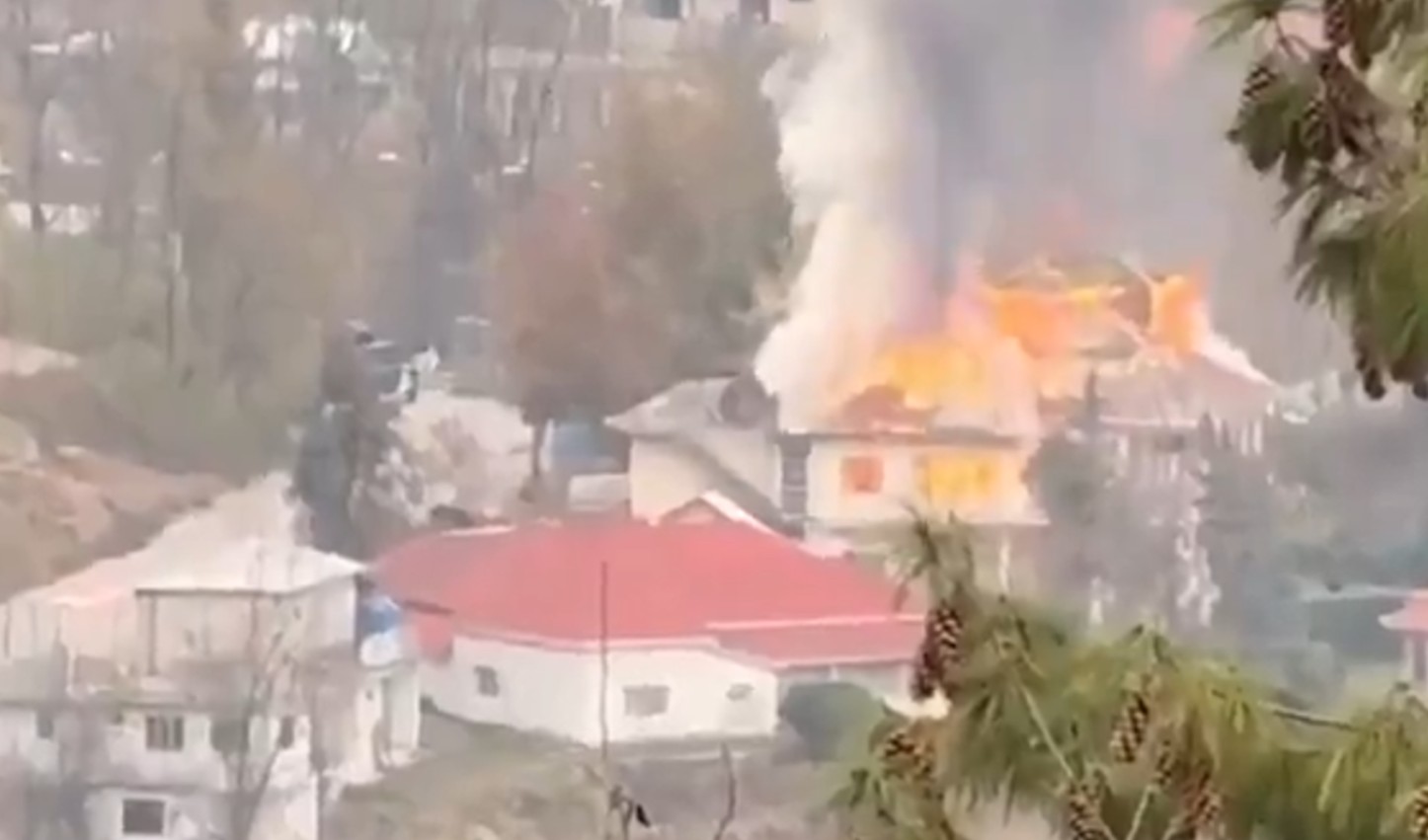
Reports of communication blackouts, mass arrests, deployment of security forces and violent clashes have accompanied successive protest movements.
Unrest continued through 2025 and 2026, and led to multiple deaths and injuries, highlighting the widening gap between public expectations and state responses. Another contentious issue has been the reservation of legislative seats for “refugees from Jammu and Kashmir” who reside elsewhere in Pakistan. Residents have argued that these “reserved seats” distort regional representation and enable Islamabad to retain influence over political outcomes in the territory.
The controversy has evolved into a wider debate about democratic legitimacy and self-governance. Similar concern is arising from the situation in Gilgit-Baltistan, where residents have repeatedly raised questions about constitutional status, political representation, taxation and the exploitation of local resources.
Observers note that despite its strategic importance and natural wealth, the region continues to face demands for greater autonomy and more meaningful participation in decision-making processes.
Such developments raise an uncomfortable question for Pakistan: if Islamabad is unable to effectively govern territories already under its administrative control, how credible are its claims regarding the future of the broader Jammu and Kashmir issue? Pakistan has consistently sought to internationalise developments within India, while unrest in its own territory increasingly highlights governance deficits at home.
Yet, while Islamabad regularly focuses attention on developments across the Line of Control, growing sections of the population in PoK and Gilgit-Baltistan are questioning their own political arrangements and demanding solutions to local problems.
Allegations that local institutions operate under strong federal influence have further fueled perceptions of democratic deficits. The recurring cycles of protest in Pakistan suggest structural governance issues that cannot be permanently managed through crackdowns or oppression.
Ultimately, the PoK turmoil and Gilgit-Baltistan underscore a larger contradiction. Even as Islamabad continues to project itself as an advocate for Kashmiri aspirations, it is facing growing criticism from residents in territories it already administers.
The continuing protests, Islamabad’s use of political manipulation and military suppression, and disputes over resource distribution suggest that Pakistan’s immediate challenge lies not across the LoC but within areas under its own control.
(IANS)