

On this Valentine’s Day, the air is filled with promises – of love, of forever, of togetherness. Lovebirds and couples seal their bonds with sweet whispers and tender touches, but amidst the romance, a different kind of love calls – a promise to protect our planet.
In a world where love often feels confined to human connections, Sabuja Sankalpa dares to broaden the horizon. Their ‘Green Promise’ is a love letter to the earth, a testament to the power of community-driven conservation. It’s a call to action, urging people to rekindle our bond with nature, to nurture the land, and safeguard the creatures that call it home.
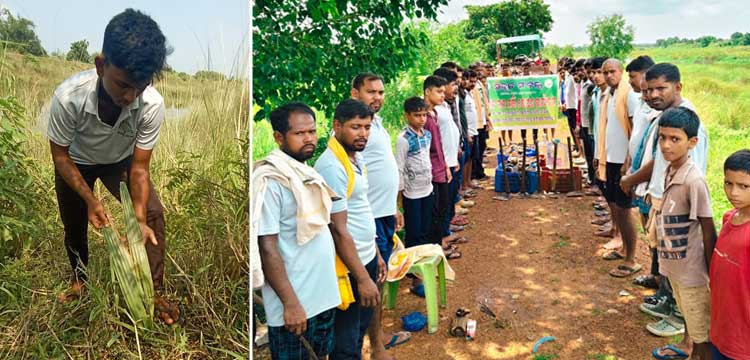
Sabuja Sankalpa is strengthening social bonds, empowering marginalized groups, and driving sustainable growth – all on their own steam, without any government or external aid.
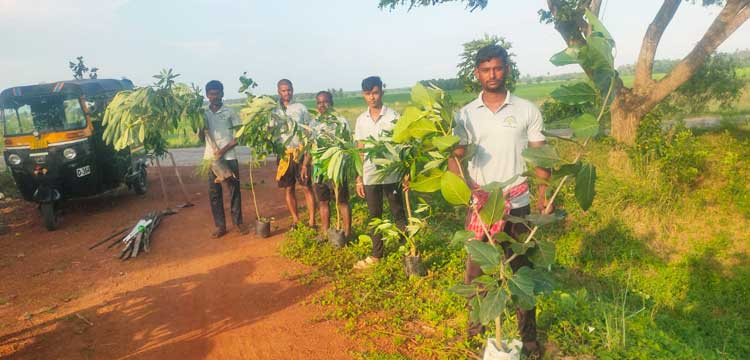
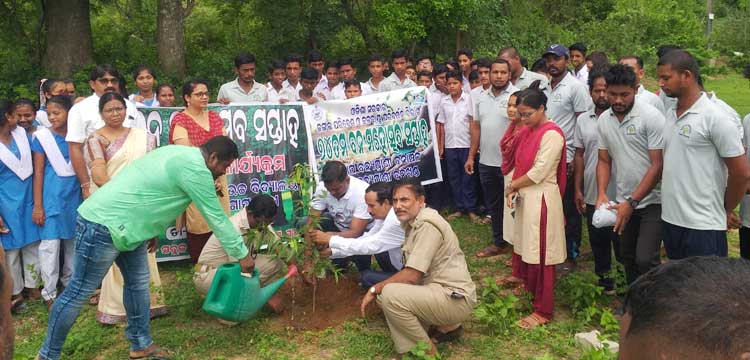
From planting mangroves and palms to creating mini jungles, they are on a mission to reforest the planet. Since 2017, they’ve been working tirelessly to conserve otters and getting school kids involved in tree-planting drives.
What started as a small group of 50 has blossomed into a community of 200, with women and college students leading the charge.
On Valentine’s Day, Ommcom News catches up with eco-warriors who’ve made promises to protect our planet. Let’s explore what are their pledges, and how are they doing?
Parikshita Rath, co-ordinator of Sabuja Sankalpa, shares his vision saying “Sabuja Sankalpa’ is more than just a social organization – it’s a collective promise to care for our environment, driven by love for nature. It’s about individuals coming together to make a difference, to protect and preserve our planet for future generations.”
Talking about the founding members of the organization, Ramesh Chandra Behera, a farmer, and the late Suryakant Mallick laid the foundation of Sabuja Sankalpa, inspiring local youth to join hands in planting trees and greening the planet.
“We undertook a large-scale palm plantation initiative with 4,800 saplings along the Subarnapur-Gabakund route and the banks of the Dhanua River under Gop block in Puri. The drive aims to reduce lightning risks, stabilise soil, and enhance green cover in flood-prone areas”, said Rath.
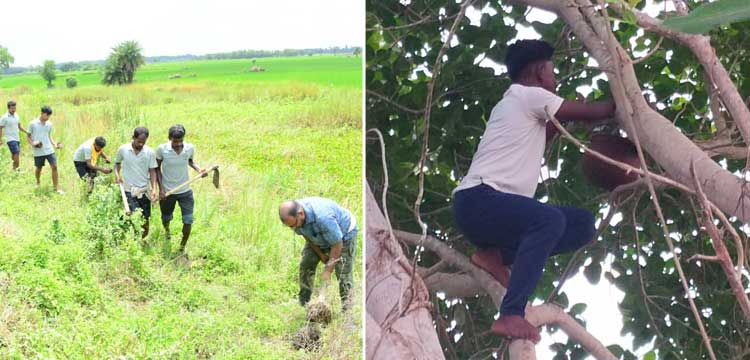
“Over 10,000 native trees were planted across five Gram Panchayats – Galadari, Aloi, Rahangagorada, Davar, and Itakuda – covering villages such as Chandipada, Bisarpur, Santaras, Aima, Olandi, Siso, Subarnapur, Solapur, and Chadheigaon. This routine drive strengthens local biodiversity and restores degraded patches through community involvement and seasonal monitoring”, he further said.
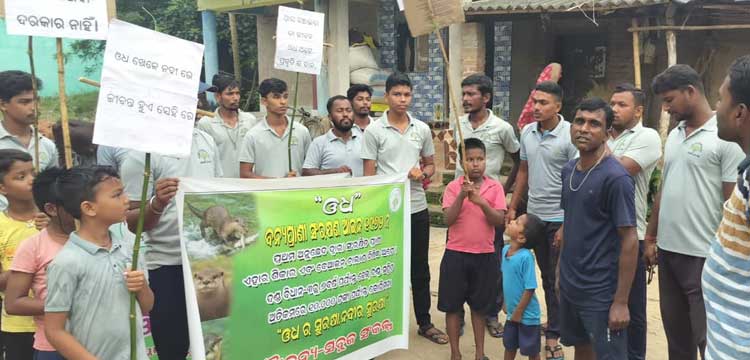
That apart, the outfit is working to protect the smooth-coated and oriental small-clawed otters found in the region. Yes, they are raising awareness in villages along the Dhanua River about the importance of otters in maintaining the ecosystem’s balance, the threats they face from hunting and trafficking, and the legal protections afforded to them under the Wildlife Protection Act of 1972.
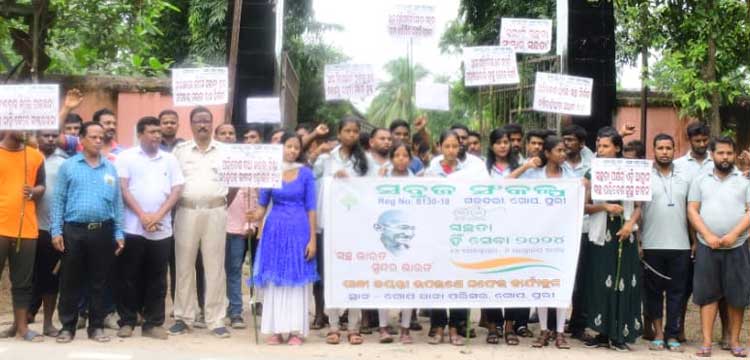
“The otter population is declining due to illegal hunting and trafficking. We are conducting awareness campaigns, including marches and discussions with local communities and fishermen, in villages near the Dhanua River. The otter is recognised as a vital indicator of healthy aquatic ecosystems. It thrives in clean waterways thanks to its streamlined body, webbed feet and remarkably dense, waterproof fur. As a top predator, the otter plays a crucial role in maintaining ecological balance by regulating fish and amphibian populations. However, despite its importance to ecosystem health, otters face mounting threats. The otter is currently listed as Near Threatened on the IUCN Red List”, he maintained.
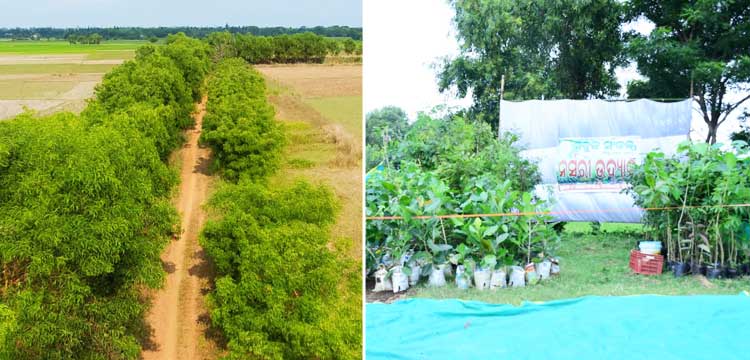
Also, the outfit members have identified and conserved 30+ vulnerable native species, including fruit-bearing and medicinal plants vital to rural ecosystems. This initiative safeguards genetic diversity, supports pollinators, and promotes eco-literacy among farmers and students about the importance of indigenous species. As part of a sacred-grove revival effort, they have planted 800 Peepal and Banyan saplings were planted, aiming to restore these revered species and promote biodiversity.
Through 27 awareness sessions in schools like Ganeswarpur High School, Utkalmani Gopabandhu Nodal High School, and others, the outfit members engaged children in hands-on environmental learning, covering climate change, waste management, and biodiversity protection.
“Our members undertake extensive bird protection through community-led sensitisation and networking, including providing water sources during summer. Our vigilant local intelligence and monitoring efforts have helped curb the catching, consumption, and illegal trade of wildlife such as monitor lizards and freshwater turtles.”
When asked why they focus on community conservation, he replied, “Climate change is a global crisis with direct local impacts, causing rising sea levels, erratic rainfall, and cyclones that threaten lives and ecosystems. Community-led conservation is a powerful solution where locals protect and restore nature. When local communities engage in actions like mangrove restoration, wetland protection, and sustainable resource management, they not only safeguard biodiversity but also strengthen their resilience to climate shocks. This approach blends traditional knowledge with collective responsibility, creating lasting social and ecological benefits. Community-led conservation, therefore, is not just about saving nature—it is about securing a sustainable and resilient future for people and the planet.”
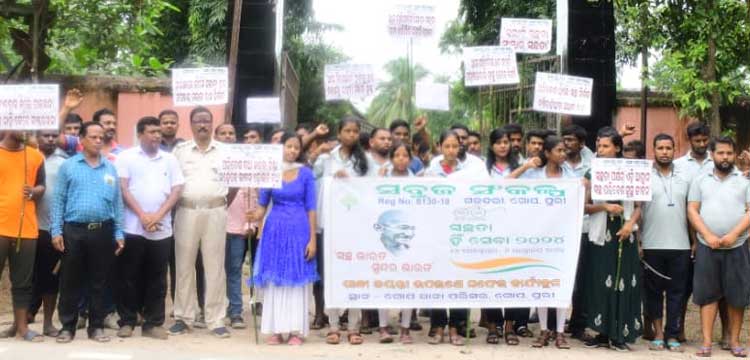
Rath shared Sabuja Sankalpa’s ambitious plans, “We’re targeting 1 lakh palm trees by 2027 and aiming to make Davara and Ganeswarapur panchayats plastic-free. We have already made strides in Galadhari village and Sishu, launching campaigns to eradicate plastic use.”
By Rashmi Rekha Das