





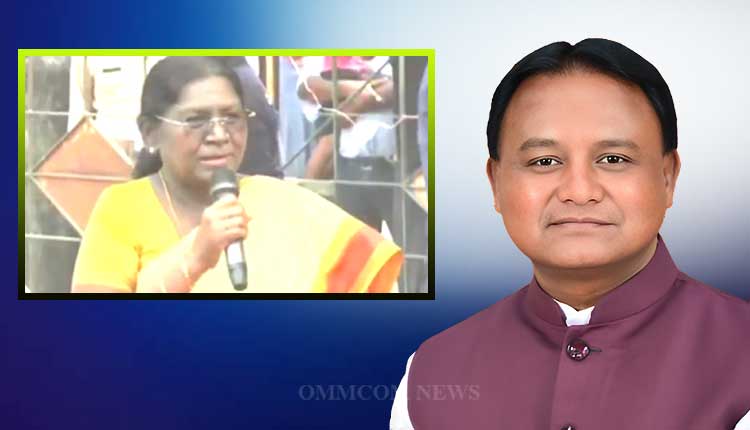
Bhubaneswar: Chief Minister Mohan Charan Majhi on Saturday expressed deep anguish over recent developments surrounding President Droupadi Murmu’s visit to West Bengal for the International Santhal Conclave, accusing the Trinamool Congress (TMC) government of insensitivity toward tribal communities and the dignity of the highest constitutional office.
In a strongly worded post on X, Majhi described the denial of permission for the conclave in Siliguri and the abrupt venue shift as far more than logistical challenges. He emphasized that the event, intended to celebrate the rich heritage and identity of the Santhal community with President Murmu as Chief Guest, deserved utmost respect and dignity.
Such disruptions, he argued, send a troubling message and reflect a lack of sensitivity toward India’s tribal populations. Majhi highlighted President Murmu’s inspiring journey from humble beginnings in Rairangpur, Odisha, to Rashtrapati Bhavan, portraying her as a symbol of pride and aspiration for millions, particularly the Santhal community. He noted that the actions of the West Bengal government have caused widespread hurt among Odias and tribals nationwide.
The CM stressed that the President’s office transcends political differences and embodies the sanctity of the Constitution. Any perceived undermining of this institution, driven by narrow political motives, has no place in India’s vibrant democracy. He called for events honoring tribal heritage to be encouraged rather than obstructed, urging leaders to accord institutions and tribal gatherings the respect they merit.
The controversy arose amid reports of protocol lapses and venue changes during the President’s two-day visit to West Bengal (March 6-7, 2026), where she graced the 9th International Santal Conference. Critics, including voices on social media, have labeled the incidents as institutional disrespect toward the President and tribal pride.
Majhi’s statement underscores ongoing political tensions between BJP-ruled Odisha and TMC-led West Bengal, framing the issue as a matter of constitutional propriety and cultural sensitivity rather than partisan politics.