





Bhubaneswar: In a significant move aimed at accelerating industrial growth and employment generation, the Odisha Cabinet on Friday approved a budgetary provision of Rs 200 crore for settling the outstanding liabilities of closed cooperative spinning mills, powerloom units, and a sizing unit operating under the state’s textile sector.
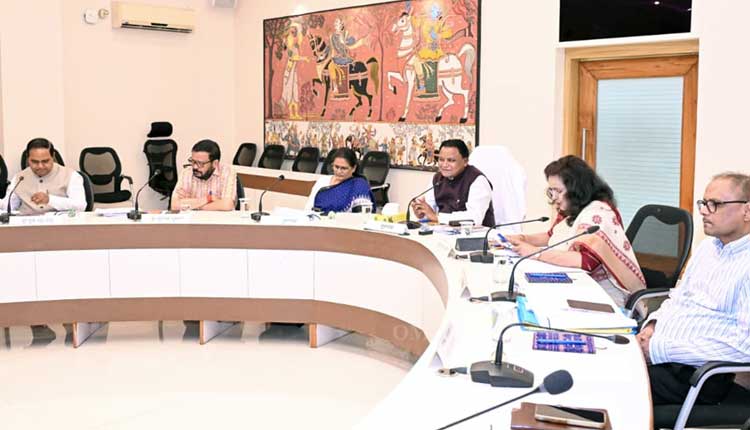
The decision was taken at a Cabinet meeting chaired by Chief Minister Mohan Charan Majhi on Friday. The move is expected to unlock valuable land assets held by the defunct units and facilitate the establishment of new textile and apparel industries across the state.
The closed units, operating under the Odisha State Co-operative Spinning Mills Federation Ltd. (SPINFED), had become financially unviable due to persistent losses, obsolete machinery and changing market dynamics. After a detailed review, the State Government concluded that reviving the units was not economically feasible and opted for their liquidation.
An Empowered Committee constituted by the government carried out a comprehensive assessment of the assets and liabilities of the units. The committee estimated the total statutory and non-statutory dues at Rs 361.67 crore. The assets include around 261.2 acres of land located in different parts of Odisha.
The Cabinet has sanctioned Rs 200 crore as the first instalment for undertaking a one-time settlement (OTS) with creditors, financial institutions and other stakeholders. Officials said the measure would help remove legal and financial encumbrances attached to the properties, paving the way for their productive utilisation.
Following the settlement process, the land assets will be transferred to the Odisha Industrial Infrastructure Development Corporation (IDCO). The agency will utilise the land for developing employment-intensive industrial projects, with a special focus on textile and apparel manufacturing.
The government believes the initiative will attract fresh investments, strengthen the state’s industrial ecosystem and generate substantial employment opportunities. The decision is also expected to support Odisha’s broader vision of emerging as a key destination for textile and garment manufacturing in eastern India.