





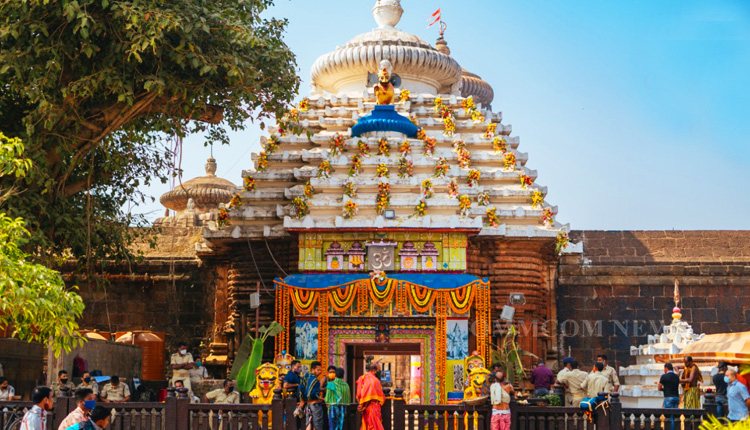
Shravan is regarded as one of the holiest months in the Hindu calendar—a sacred period of devotion, spiritual discipline and divine connection. Among its many observances, Shravan Somwar holds a special place as devotees across India observe fasts, offer prayers and seek the blessings of Lord Shiva with deep faith.
Ommcom News delves deep into the spiritual significance of Shravan Somwar and explores why Mondays are specially dedicated to the worship of Lord Shiva during this auspicious month.
The Sacred Significance of Shravan
Shravan, the fifth month in the Hindu lunar calendar, usually falls between July and August. It derives its name from the Shravana Nakshatra, which appears prominently during the full moon of this period. The month carries profound spiritual weight as it commemorates the moment when Lord Shiva consumed the deadly Halahala poison during the Samudra Manthan to protect the universe. This supreme act of sacrifice makes Shravan especially dear to Shiva devotees.

The month is seen as a powerful time for inner purification. Devotees engage in fasting, chanting and meditation—practices that discipline the mind and cleanse accumulated karmas. Falling during the monsoon, when nature itself is renewed by rain, Shravan symbolically mirrors the spiritual growth seekers experience.
Rising early for worship, observing restraint and focusing the mind on the divine help cultivate detachment from material distractions and heighten spiritual awareness. Performing the Shravan Somwar Vrat is believed to bring abundant merit, including good karma, longevity, prosperity and the fulfilment of heartfelt wishes.
Why Mondays Are Special for Lord Shiva
Mondays, or Somwar, holds particular importance in Shiva worship. In Hindu tradition, Monday is associated with Chandra Dev, the Moon God, who is believed to reside in Lord Shiva’s matted locks. This symbolism reflects Shiva’s mastery over time, cosmic cycles and the human mind. Worshipping him on Mondays is therefore regarded as a way to attain mental calm, emotional balance and inner purity. Fasting and praying on Shravan Somwar allows devotees to approach the Lord with a purified heart and focused mind.
Mythological Roots of the Shravan Somwar
Several mythological stories enrich the significance of the Shravan Somwar Vrat. The most well-known is the Samudra Manthan, during which a lethal poison emerged from the ocean of milk and threatened all creation. Lord Shiva selflessly drank the poison and held it in his throat, turning it blue and earning the name Neelakanth. Another powerful narrative centres on Goddess Parvati, who performed intense penance during Shravan to win Lord Shiva as her husband. Her unwavering devotion continues to inspire countless women to observe the fast.

Ancient scriptures also speak of numerous devotees who were freed from curses, illnesses and heavy karmic burdens through sincere observance of this vrat. Together, these stories and practices reveal why Shravan Somwar remains a cherished tradition. It is not merely a day of ritual fasting, but a sacred opportunity to emulate Lord Shiva’s qualities of sacrifice, stillness and boundless compassion while seeking his transformative grace.