





Bhubaneswar: With severe cyclonic storm ‘Murasu’ moving towards the Andhra Pradesh coast, the administrations of Ganjam, Koraput and Gajapati districts in Odisha have intensified evacuation, relief and rescue operations, putting emergency response teams on alert and making arrangements to ensure the safety of people in vulnerable areas.
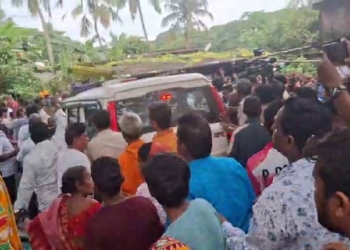
In Ganjam district, as many as 1,51,434 people have been evacuated to safer locations as part of precautionary measures, the district administration said on Monday.
A total of 1,139 shelters, including 110 permanent and 1,029 temporary facilities, have been made ready to accommodate around 3,41,700 people, it said.
Landslide-prone locations have been identified in four blocks, while nodal officers have been appointed in every village to coordinate preparedness and emergency response measures.
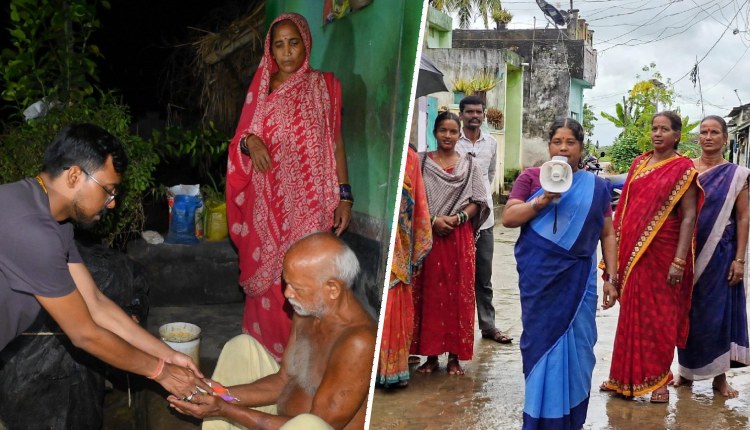
Public awareness campaigns are being conducted through loudspeakers, and people living in unsafe houses are being shifted to safer locations. Medical teams, drinking water, generators and other essential supplies have also been arranged at the shelters.
In neighbouring Koraput district, around 500 people have so far been evacuated to permanent shelters. The administration has kept 506 shelters ready, of which three, located in Kotpad, Borigumma and Laxmipur, are currently operational.
One Odisha Disaster Rapid Action Force (ODRAF) team and one National Disaster Response Force (NDRF) team are on their way to Koraput from Ganjam district. Besides, 14 fire service teams have been deployed across all the blocks to deal with any emergency.
As many as 94 pregnant women have been shifted to ‘Maa Gruhas’ as a precautionary measure, the administration said.
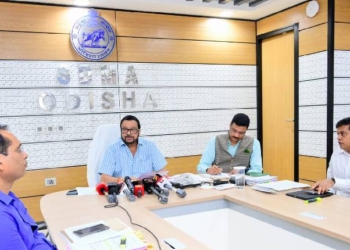
Senior officers have been assigned responsibilities at the block and Gram Panchayat levels, while Sub-Collectors and Assistant Collectors have also been deployed. A district-level control room is functioning to coordinate emergency response operations.
Very light rainfall, averaging 4.73 mm, was recorded in Koraput till 2 pm on November 2. No significant impact of strong winds has been observed so far, according to the district administration.
As part of the preparedness measures, 120 vulnerable villages and habitations spread across 62 Gram Panchayats have been brought under active evacuation and precautionary arrangements.
The administration has ensured the availability of medicines, electricity, safe drinking water, toilets and free cooked meals at all operational shelters.
To facilitate road clearance and restore vehicular movement in case of blockages, 64 JCB machines have been deployed across different blocks. Standby generators, water tankers and adequate stocks of essential commodities have also been arranged.
Meanwhile, the Gajapati district administration has identified around 512 alternative safe shelters and kept six permanent cyclone and flood shelters ready. Together, these facilities can accommodate around 35,000 people and will be used for evacuation depending on the situation.
Light to moderate rainfall is being reported in different parts of Gajapati district. The administration is continuously monitoring the water level of the Vansadhara river, while the water level of the Mahendratanaya river remains well below the warning and danger levels.
Public awareness campaigns are being conducted through loudspeakers to inform residents about necessary precautions and safety measures. Medical teams have also been kept ready for deployment at shelters and in villages whenever required.
Schools and Anganwadi centres in Gajapati have not been closed so far. A decision on their closure will be taken based on the rainfall recorded on Monday and the weather forecast for the next two days, the administration said.
It also said that most of the major restoration works on roads and bridges following Cyclone Arnab have been completed.
Senior officers have been deployed in every block, while response teams have been constituted and made operational at both block and Gram Panchayat levels.
The three district administrations are closely monitoring evacuation operations, shelter arrangements, emergency response teams and the availability of essential services to minimise the possible impact of the cyclone and ensure the safety of residents in vulnerable areas.