





Bhubaneswar: The state government has taken a comprehensive step to protect the youth from the ill effects of drugs and to ensure a healthy and safe environment in all educational institutions.Under the “Nisha Mukta Bharat Abhiyan”, steps will be taken to declare all schools, ITIs, polytechnics, colleges, universities and other technical and professional institutions in the state and their hostels within a radius of 500 metres as ‘drug-free zone’.
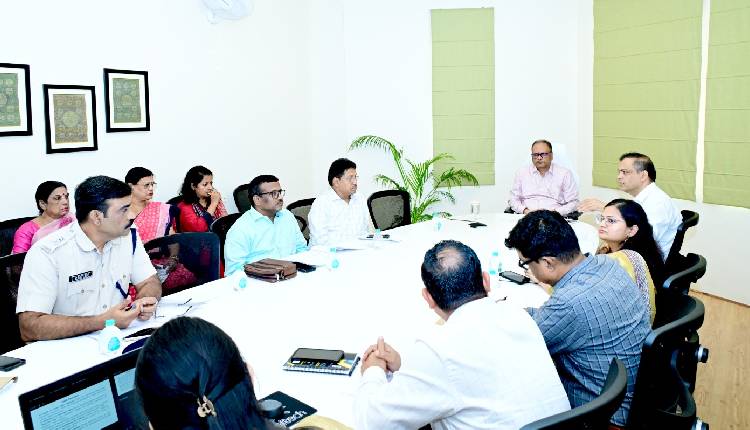
In this regard, a meeting was held on Friday at Lok Seva Bhavan under the chairmanship of Development Commissioner and Additional Chief Secretary Deo Ranjan Kumar Singh.The meeting was attended by Commissioner-cum-Secretary, Higher Education Department Arvind Agarwal, Excise Commissioner P. Anvesha Reddy and senior officers of Health, School and Mass Education, Skill Development and Technical Education, Home Department, Special Task Force and CID-Crime Branch.
It is worth noting that Prime Minister Narendra Modi on August 2, 2026 announced ‘Drug Free Youth for Viksit Bharat’. Launching the campaign from Sambalpur, he urged the youth to stay away from drugs.Similarly, Chief Minister Mohan Charan Majhi has urged the youth to give priority to sports, yoga, education and social service by giving the message of “Say No to Drugs, Say Yes to Life”.
The ninth high-level Narcotics Control Board (NCORD) meeting held on January 9, 2026 had decided to declare a drug-free zone within 500 metres of educational institutions. The eighth state-level NCORD meeting held under the chairmanship of the Chief Secretary on October 3, 2026 also emphasised the need to take steps in this direction.
In Friday’s meeting, Higher Education Secretary Agarwal presented the proposed work plan for declaring 500 metres around schools and educational institutions as ‘drug-free zones’ and taking other steps under the campaign.
This includes setting up a drug-free campus committee in every educational institution, formation of a psychological health and welfare committee, appointment of nodal officers and selection of student ambassadors from among the students.Regular inspections and legal steps will be taken in coordination with the police and excise departments to prevent drug sales in educational institutions and within 500 metres of them.
Discussions were also held on installing information boards regarding drug-free zones, drop-off points and online system for complaints, and organising awareness programmes every month. Students will be engaged in positive activities through yoga, sports, cultural programmes and life skills education.
Emphasis will be placed on providing counselling, treatment and support through drug de-addiction centres before punishing students who are addicted to drugs. Along with this, regular inspections, monthly compliance reports and a system of issuing ‘drug-free campus certificates’ to educational institutions that meet the prescribed criteria were also discussed. It was decided to prepare a special guideline in this regard.
Development Commissioner Singh said that the youth are the future of the state. Keeping them away from the clutches of drugs is not only the responsibility of the government, but also of educational institutions, parents and the entire society. For this, the concerned departments should coordinate well with each other, cooperate in this campaign, and take regular monitoring and awareness measures.