


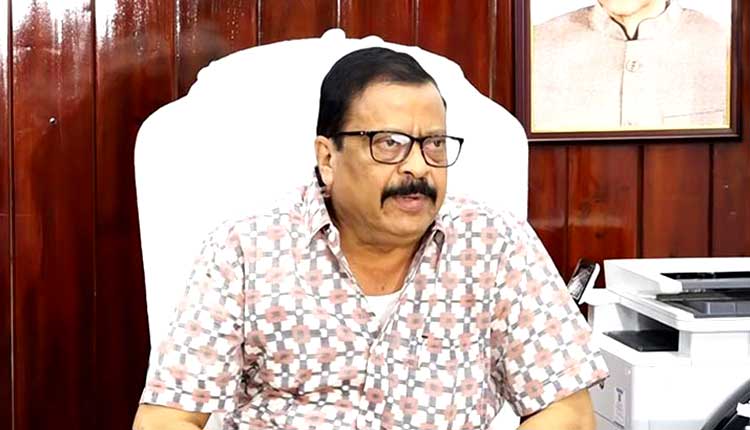
Bhubaneswar: Ahead of the summer season, the Odisha government on Thursday stepped up its preparedness to tackle potential heatwave conditions, with Revenue and Disaster Management Minister Suresh Pujari chairing a high-level review meeting at Lok Seva Bhawan.
The meeting reviewed inter-departmental readiness and outlined a comprehensive strategy to mitigate the impact of extreme heat, with the minister directing all departments to prioritise human safety and implement preventive measures in advance.
Pujari emphasised the establishment of model cooling shelters in vulnerable areas and called for special arrangements to protect school students, children, and labourers. He also empowered District Collectors to take immediate decisions at the local level to ensure swift response and public safety.
Additional Chief Secretary Arabinda Kumar Padhee stressed the importance of public awareness campaigns, assuring full support from the department to district administrations.
Special Relief Commissioner Rajesh Prabhakar Patil said the state is fully prepared to deal with heatwaves as well as possible Kalbaisakhi (nor’wester) storms.
A key decision taken at the meeting was to prohibit outdoor labour-intensive work between 11 AM and 3 PM during severe heatwave conditions across both government and private sectors. The minister warned of strict action against violators.
To minimise heat-related risks, the government will ensure the availability of shaded rest areas, drinking water, ORS, first-aid kits, and cooling facilities in schools, hospitals, and other public places.
Schools will introduce special bell systems to remind children to hydrate regularly, while temporary sheds will be installed in high-traffic zones.
The Health Department has been directed to establish dedicated heatstroke wards in hospitals. Simultaneously, efforts will be made to repair tube wells across Gram Panchayats and deploy water tankers in water-scarce areas.
Recognising the strain on power supply during peak summer, the Energy Department has been asked to ensure uninterrupted electricity and responsive grievance redressal through helplines.
The government will also focus on heat-prone industrial and mining belts such as Jharsuguda, Brajarajnagar, Angul, and Talcher, where additional safety measures, including cooling shelters, will be implemented.
Long-term mitigation strategies discussed included urban afforestation using vacant government land and promoting green coverings on large buildings to reduce heat absorption. The meeting also deliberated on introducing air-conditioned bus services during peak heatwave periods.