





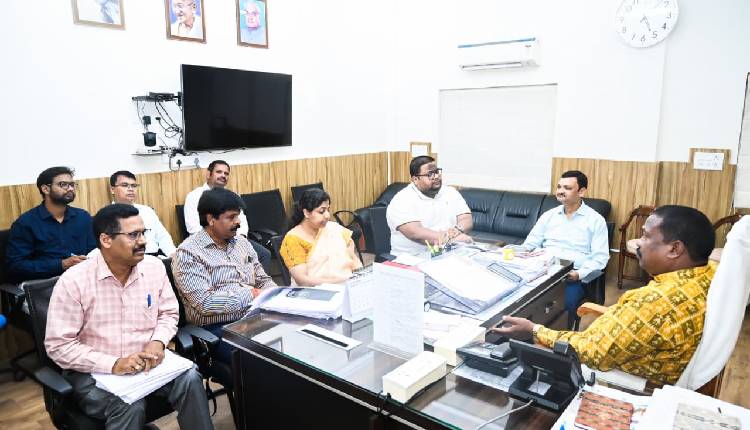
Bhubaneswar: Odisha Rural Development, Panchayati Raj and Drinking Water Minister Rabi Narayan Naik on Sunday reviewed the progress of relief, restoration and rehabilitation works in cyclone-affected areas, directing officials to ensure uninterrupted drinking water supply and expedite the restoration of damaged infrastructure.
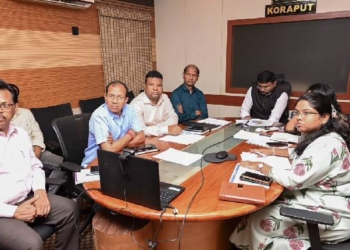
The review meeting was held at Lok Seva Bhawan, where the Minister assessed the ongoing interventions in the affected areas and stressed the need for prompt action to address the difficulties faced by people.
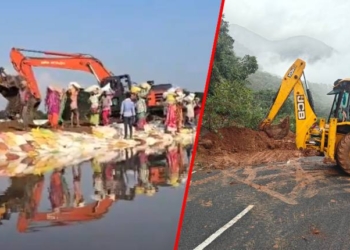
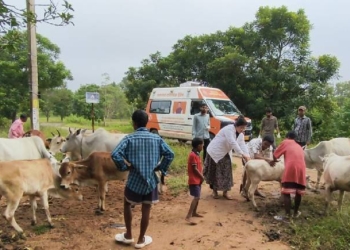
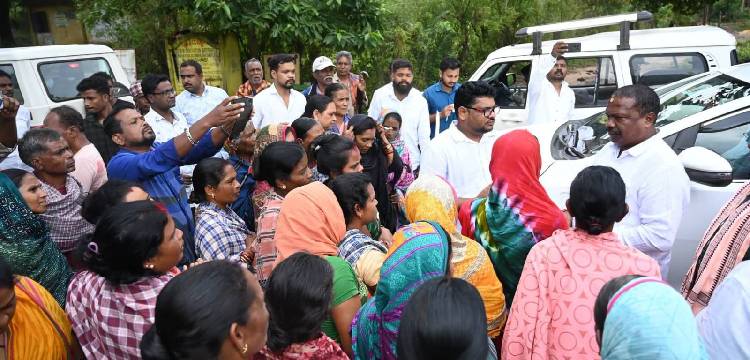
Over the past few days, Naik visited several cyclone- and landslide-affected areas of Kandhamala district to take stock of the ground situation. During his visit to villages under Manikeshwar Gram Panchayat in Raikia Block, he inspected damaged roads and connectivity infrastructure and interacted with local residents.
He also discussed relief operations and the restoration of connectivity to villages that had been cut off with officials. The Minister met families whose houses had been damaged and people injured due to the cyclone and heavy rainfall to enquire about their difficulties.
Drawing on his field observations and concerns raised by residents, Naik discussed the situation and necessary interventions with officials during Sunday’s meeting.
Commissioner-cum-Secretary of the Panchayati Raj and Drinking Water Department Girish S.N., Rural Development Department Secretary Yamini Sarangi, departmental directors, Engineers-in-Chief of the Rural Water Supply and Sanitation (RWSS) and Rural Development departments, and other senior officials attended the meeting.
Officials briefed the Minister on the progress of drinking water supply and restoration works in the affected areas.
Repair and disinfection work has been completed in 2,593 damaged tube wells. Of the 393 affected piped water supply schemes, 162 have been restored, while 227 piped water supply sources have been disinfected.
To ensure water safety, 746 tube well water samples and 185 piped water supply samples have been tested, officials said.
For emergency drinking water supply, 235 water tankers, 80 tractor-mounted Sintex tanks and 16 dedicated water supply tractors have been deployed.
Eight Mobile Water Treatment Units have been deployed in Ganjam district, while four more are being mobilised. Through these units, 2,76,500 water bottles and 1,62,500 water pouches have been distributed. Another 2,60,000 units have been kept in reserve for immediate distribution, if required. Additionally, 1,036 bags of bleaching powder have been stocked for disinfecting water sources.
Naik directed officials to ensure that drinking water supply remained uninterrupted in all affected areas. Wherever piped water supply systems had been damaged or supplies disrupted, immediate alternative arrangements should be made to provide safe drinking water, he said.
The Minister also stressed the need for advance preparedness in view of the possible impact of Cyclone Murasu. He asked officials to remain alert and ensure the availability of drinking water, essential materials and emergency services in areas likely to be affected.
He further directed officials to expedite the restoration of damaged drinking water projects, rural roads, bridges and other rural infrastructure by deploying additional manpower and resources wherever necessary.
Emphasising the need to restore connectivity at the earliest, Naik asked officials to coordinate with the local administration to ensure that relief and essential assistance reached affected people without delay.
He also directed officials to regularly monitor the progress of restoration works and address ground-level challenges to ensure their timely completion.