





Bhubaneswar: Debrigarh Wildlife Sanctuary in Odisha has strengthened its wildlife protection mechanism with the introduction of an advanced AI-integrated surveillance system.
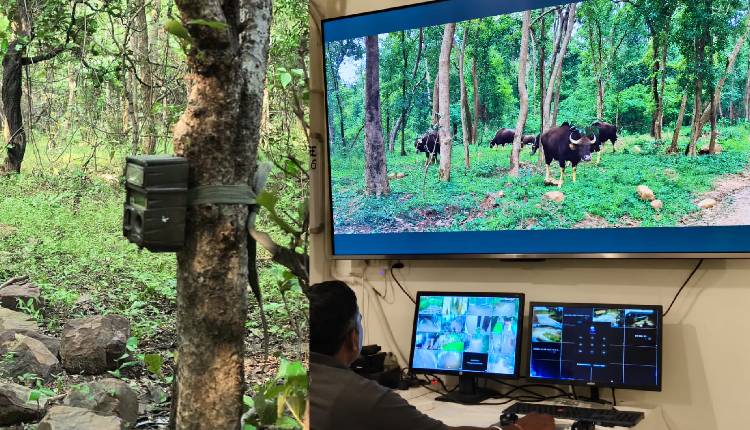
The new system combines an e-Eye® surveillance tower and 18 AI-enabled smart camera traps to ensure round-the-clock monitoring of wildlife movement, forest fires and potential threats through real-time data analysis.
According to the sanctuary authorities, the AI surveillance tower installed at Chourasimal has been operational since December 2025. It covers an area of around 70 sq km with a monitoring radius of 5-6 km. Equipped with both optical and thermal cameras, the tower enables continuous day-and-night surveillance of animals, human movement and possible intrusions.
Initially, five camera traps were integrated with the AI tower in December 2025. After stabilisation of the mesh network inside the sanctuary, 18 smart camera traps have been installed from October 2026 onwards across remote forest interiors.These camera traps, connected through wireless mesh networking, transmit real-time images and videos directly to the central control room at Zero Point. Using artificial intelligence, the system automatically identifies wildlife species including Gaur, Leopard, Sambar, Spotted Deer, Sloth Bear and Nilgai, while filtering out irrelevant images. This allows forest staff to access wildlife records remotely without frequent field visits.
The technology is expected to significantly boost conservation efforts by enabling real-time tracking of wildlife movement, habitat use and animal trails, detection of suspicious human activities and potential poaching attempts, early identification of forest fires, and improved night-time surveillance through thermal imaging.Officials said the integration of AI with conventional protection methods will improve patrolling efficiency, reduce human disturbance in sensitive habitats, and support scientifically informed decision-making.
Debrigarh has maintained intensive ground surveillance with nearly 90,000 km of foot patrolling annually for the last three consecutive years. With the addition of AI-based monitoring, the sanctuary is moving towards a more proactive, technology-driven approach to wildlife protection while strengthening the effectiveness of its frontline staff.