





Known by different names across India — Tambul, Tamalapaku, Nagavalli, Nagarbel, and Vettile — paan has been an inseparable part of Indian culture for thousands of years. Millions of Indians chew it daily as a mouth freshener and post-meal treat.
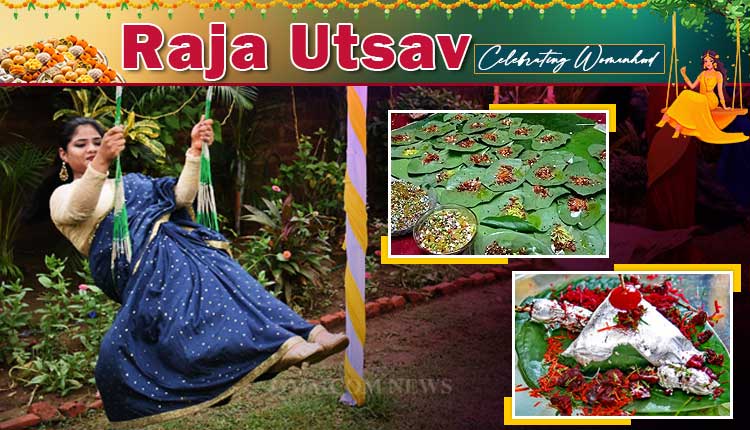
Praised in Ayurveda for its health-giving properties and even considered an aphrodisiac, paan is far more than a simple habit. It is deeply woven into rituals, hospitality, and festive celebrations. With Raja celebrations underway across Odisha, Ommcom News throws light on the rich history of paan and its special importance during the Raja Parba — the vibrant three-day festival that celebrates womanhood, fertility, and the arrival of the monsoon.
In Odisha, paan acquires a joyful significance during Raja. More than just a mouth freshener, Raja Paan is considered a tradition, a ritual, and a symbol of blessing that adds sweetness and joy to the occasion.
Ancient Roots And Sacred Significance
Ancient Hindu texts hold the betel leaf in high esteem. According to tradition, different parts of the leaf represent various deities: Goddess Lakshmi resides in the front portion, Lord Shiva along the edges, while Yama, the Lord of Death, is believed to dwell in the stalk — which is why it is carefully avoided.
References to paan appear in the Skanda Purana as early as the sixth century. It also finds mention in the Mahabharata, Bhagavata Purana, and Vishnu Purana. Legend has it that the betel leaf emerged during the Samudra Manthan (churning of the ocean) as one of the divine treasures.
Priests receive a betel nut and a coin placed on the leaf as a mark of respect. In states like Assam and Odisha, paan and betel nuts are offered to guests with invitation cards for marriage. In West Bengal, brides enter the marriage venue covering their faces with betel leaves.
Paan’s Joyful Role in Raja Festival
During Raja, paan transcends its everyday identity and becomes an integral part of the festive spirit. On Pahili Raja and Raja Sankranti, families and friends exchange paan with the same warmth and affection they share sweets and pithas. The entire state comes alive with the aroma of fresh betel leaves blended with aromatic spices. Streets and local stalls glow with colourful paan displays, perfectly complementing the traditional swings, folk songs, and laughter that define the Raja festival.
What Makes Raja Meetha Paan Unique
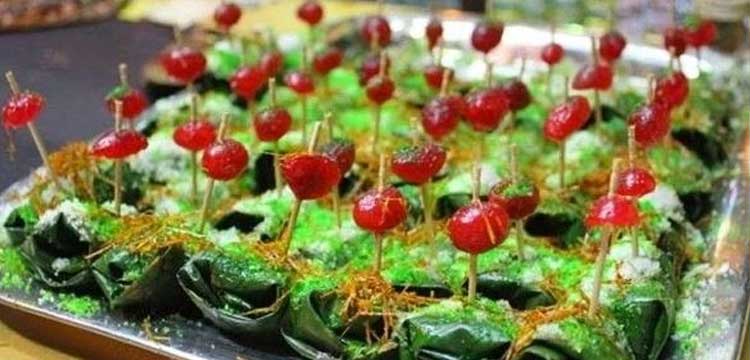
While paan is popular across India, the Raja Paan or Meetha Paan has its own distinct character. It is traditionally folded into an elegant triangular shape and secured with a clove on top, serving both as decoration and a natural pin. Unlike regular paan, the Raja version is richly sweet and packed with a delightful assortment of ingredients, including roasted coconut, dates, sugar, menthol, saffron, cardamom, aniseed, raisins, candied fruits, mukhwas, chopped areca nut, and sometimes even edible silver leaf for a royal finish. This fragrant preparation is loved by everyone — from young girls enjoying their Raja holiday to elders.
Local vendors offer various options, including plain paan, sweet paan, and special Raja Paan, often beautifully wrapped in silver foil.
For Odias, the festival feels incomplete without the sweet taste of Meetha Paan. Whether enjoyed at home with family or bought from a busy street-side paan walla while singing traditional songs on the swing, Meetha Paan adds the perfect final touch of sweetness to this joyous celebration of womanhood and nature.
A Living Cultural Symbol
Historically, paan was associated with royalty and refined hospitality. Ancient India had exquisitely crafted silver and brass Paan Daans, betel nut cutters, and decorative containers that reflected elegance and status. In modern Odisha, this tradition continues with warmth and pride. Offering and enjoying paan during Raja strengthens bonds of togetherness and keeps alive a rich cultural heritage.
By Rashmi Rekha Das