
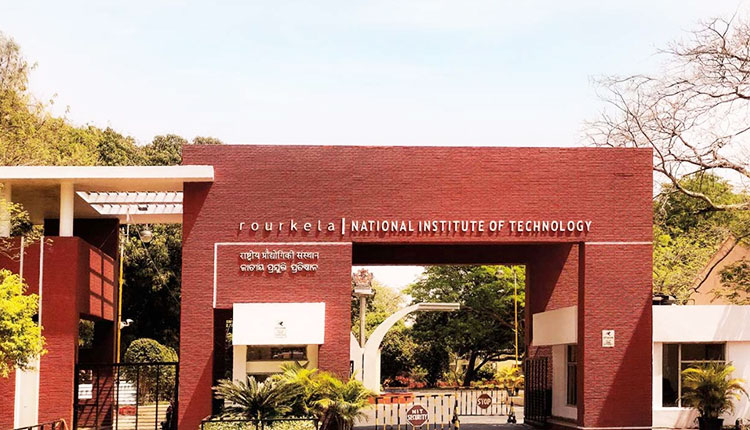
Rourkela: Researchers at the Ceramic Engineering Department of the National Institute of Technology (NIT) Rourkela have developed a cost-effective and sustainable method to remove dye pollutants from industrial wastewater, offering a potential solution to a major environmental challenge.
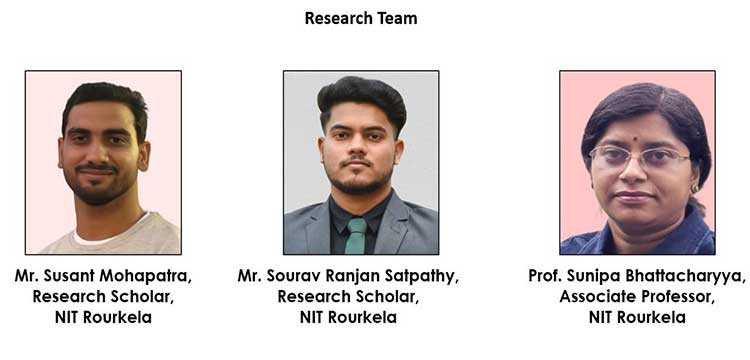
The research has been led by Sunipa Bhattacharyya, Associate Professor, Ceramic Engineering, NIT Rourkela, along with research scholars Susant Mohapatra and Sourav Ranjan Satpathy.
Industries such as textiles, dyeing, and printing generate large volumes of coloured chemical effluents that often find their way into natural water bodies, affecting aquatic ecosystems and posing risks to human health. Conventional wastewater treatment methods are often expensive, energy-intensive, and generate secondary waste.
To address these limitations, the NIT Rourkela team has developed a water-based ceramic adsorbent using industrial by-products such as fly ash, ground granulated blast-furnace slag (GGBS), and kaolin clay. These materials are abundantly available waste streams from thermal power plants and steel manufacturing industries.
Fly ash is produced during coal combustion in thermal power plants, while GGBS is generated in blast furnace operations in the iron and steel sector. Both pose significant disposal challenges due to their large-scale generation.
The researchers have effectively repurposed these waste materials to develop a ceramic adsorbent specifically designed to remove methylene blue dye, a commonly used industrial dye.
Speaking about the innovation, Prof. Sunipa Bhattacharyya said, “A notable aspect of our research is the use of raw kaolin clay instead of heat-treated metakaolin, which is typically used in geopolymer-based adsorbents. By eliminating this energy-intensive step, we have made the process more sustainable and economically viable.”
In laboratory tests, the developed material demonstrated over 95 per cent efficiency in removing methylene blue dye from wastewater.
The cost of production of the ceramic adsorbent is estimated at around ₹25–50 per kg, making it a highly economical alternative to conventional treatment technologies.
The study has been published in the peer-reviewed journal Chemistry Select and aligns with the United Nations Sustainable Development Goals (SDG 6: Clean Water and Sanitation and SDG 12: Responsible Consumption and Production).
Looking ahead, the research team plans to develop porous shaped adsorbents from waste materials and evaluate their effectiveness in removing a wider range of pollutants. The innovation is expected to benefit industries seeking affordable and sustainable wastewater treatment solutions.
By converting industrial waste into a functional water treatment material, the study highlights a circular approach to environmental management, where by-products from one industry are transformed into resources for another.