





Bhubaneswar: The state government has proposed to extend the ‘Mukhyamantri Sadak Yojana – Connecting Missing Road Links (MMSY-CMRL)’ for another four years to bridge crucial road connectivity gaps in rural and border areas.
The Rural Development Department has proposed the extension of the scheme from 2026-27 to 2029-30 with an outlay of Rs 1,547.55 crore.
Initially launched in 2020-21 as ‘Inter District, Inter Block Connectivity’, the scheme was renamed ‘MMSY-Connecting Missing Road Links’ in 2022-23. It was earlier approved for two years from 2023-24 to 2024-25 with an outlay of Rs 1,160 crore for 673.49 km. During 2025-26, improvement works covering 635.12 km were completed under the scheme.
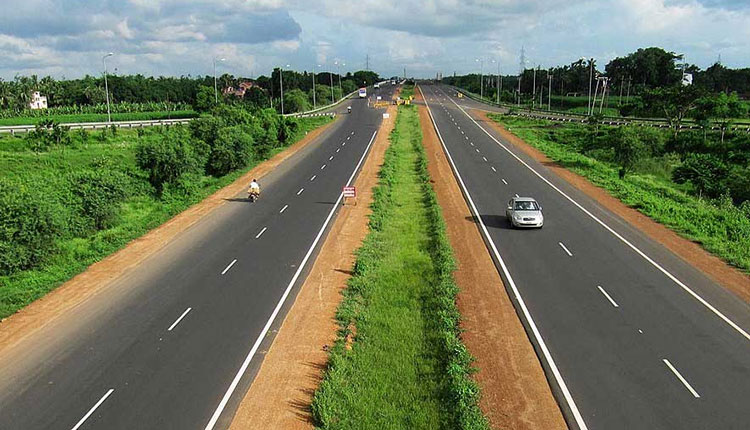
The scheme aims to bridge missing links in inter-block, inter-district and inter-state road connectivity. It also seeks to connect unconnected islands and shorten travel distance between blocks, districts and neighboring states in border areas by linking roads to those in adjoining states.
It further aims to provide better access to health and education facilities, hospitals, schools, colleges, panchayats, markets, tourist destinations and trade centers to improve the overall living standards of people. Under the scheme, missing links will be connected either by construction of new roads and bridges/CD works or by providing connecting bridges/small CD works to existing roads.
The department has set a target to take up approximately 3,214.88 km of road projects during 2026-27 to 2029-30, along with completion of ongoing projects and construction of connecting bridges/CD works where required. The projects will be executed through departmental engineers of the Rural Works Organisation, who will prepare designs, drawings and other technical details.
As per the provisions, five years of annual routine maintenance will be included in the contract. Contractors will be responsible for keeping the road surface defect-free during this period. The Defect Liability Period for each project will also be five years from the date of completion, during which the contractor will have to rectify defects at his own cost.
To ensure quality, a standard Quality Assurance Document will specify types and frequency of tests. All tests will be conducted in government or government-approved laboratories. Third-party quality assessment will be carried out through Independent State Quality Monitors on the lines of the SQM model followed for PMGSY projects. A third-party evaluation of the scheme will also be conducted through qualified agencies at the end of the scheme period in consultation with the Finance Department.