




Bhubaneswar: The State government has decided to further strengthen solid waste management systems across the State with a focus on regulatory compliance, source segregation, scientific processing, effective enforcement and formal integration of informal waste workers.
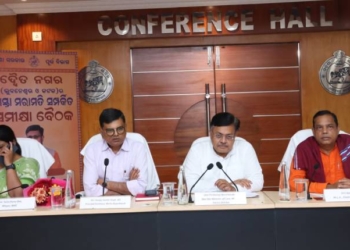
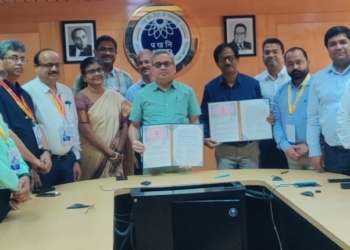
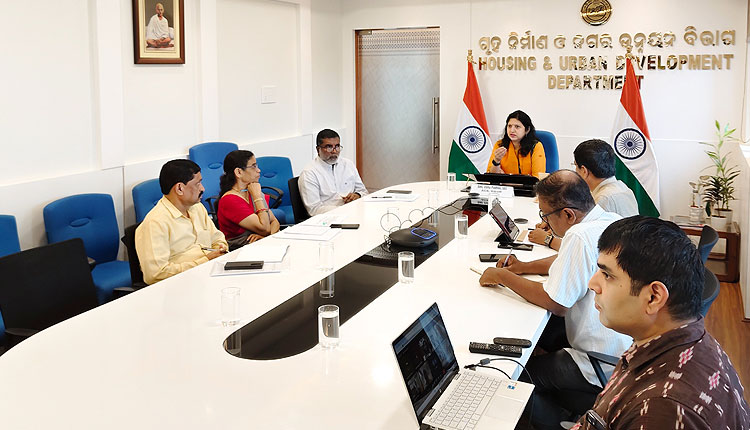
The decisions were taken at a coordination meeting on the implementation of the Solid Waste Management Rules, 2026 and other related regulatory compliances, held today under the chairpersonship of the Additional Chief Secretary, Housing & Urban Development Department, Usha Padhee in hybrid mode.
The meeting was attended by the Member Secretary, State Pollution Control Board (SPCB), Special Secretary & Mission Director, Swachh Bharat Mission-Urban (SBM-U), Assistant Commissioner, Bhubaneswar Municipal Corporation (BMC), senior officials of the SPCB and members of the Sanitation Team of the Housing & Urban Development Department.
The meeting decided to revise the existing State Policy and Strategy on Solid Waste Management and the Solid Waste Management Bye-laws in alignment with the Solid Waste Management Rules, 2026. The revised policy and bye-laws will provide a strengthened framework for waste segregation, collection, transportation, processing, enforcement and regulatory compliance across Urban Local Bodies (ULBs).
A major focus of the meeting was on ensuring compliance with the mandatory four-stream source segregation and collection system. It was informed that 73 ULBs have already integrated dedicated collection compartments for sanitary and special care waste. The remaining ULBs were directed to ensure full compliance immediately and strengthen systems for proper collection and handling of segregated waste.
The meeting also decided to undertake systematic enumeration, categorisation and registration of Bulk Waste Generators (BWGs) on the Central Pollution Control Board (CPCB) portal. BWGs will be required to process their waste at source.
Those unable to undertake on-site processing will have to obtain an Extended Bulk Waste Generators Responsibility (EBWGR) Certificate from the concerned ULB before handing over their waste to the local authority. The Additional Chief Environmental Scientist, SPCB, was requested to convene a meeting with ULBs to provide necessary technical guidance and clarity on the registration and compliance requirements of BWGs on the CPCB portal.
The role of District Collectors in strengthening enforcement and monitoring of the Solid Waste Management Rules, 2026 was also discussed. In accordance with the applicable provisions of the Environment (Protection) Act, 1986, District Collectors were directed to strengthen monitoring of implementation within their respective jurisdictions. They were advised to establish a dedicated “Special Cell” to monitor compliance and take appropriate action against defaulting Bulk Waste Generators. They may also undertake virtual site inspections, wherever required, and submit fortnightly implementation reports to the designated State Secretaries.
With specific reference to Bhubaneswar, the Bhubaneswar Municipal Corporation was directed to optimise the utilisation of its Micro Composting Centres (MCCs) by ensuring equitable distribution of fresh waste among the available facilities. BMC was also instructed to prepare a comprehensive roadmap for scientific processing of the city’s waste and to take appropriate measures to address the accumulated waste at TTS, Sainik School.
The meeting further emphasised the need to formally integrate informal waste pickers into the waste management value chain. In line with the provisions of the Solid Waste Management Rules, 2026, ULBs were directed to identify and integrate informal waste pickers into the formal waste management system. So far, 1,906 informal waste pickers have been formally integrated as Swachh Karmis. The initiative is aimed at recognising their contribution to urban sanitation while providing them a more structured role in the waste management ecosystem.
The Additional Chief Secretary directed all concerned authorities to ensure coordinated, time-bound and result-oriented action on the decisions taken during the meeting. She emphasised the need for strengthening compliance at the field level, ensuring scientific waste processing and building accountable and sustainable solid waste management systems across the State.