





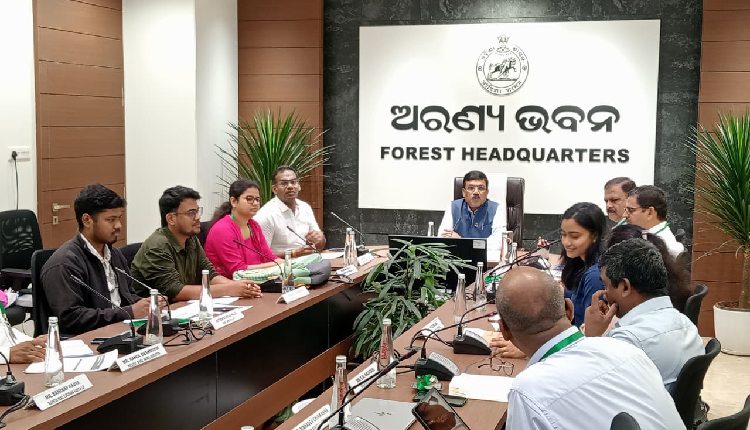
Bhubaneswar: The Government of Odisha has initiated the process of developing a comprehensive State Bamboo Policy to unlock the potential of the State’s bamboo sector and promote sustainable growth.
As part of this initiative, the Odisha Bamboo Development Agency (OBDA), with technical support from the Bharti Institute of Public Policy (BIPP), Indian School of Business (ISB), organised a one-day industry consultation at Aranya Bhawan, Bhubaneswar, on Friday. This was the first stakeholder consultation in the policy development process.
Representatives from 12 organisations participated in the consultation, including Tata Steel, JK Paper, Sai Bioenergy, KONBAC, Mynusco, Crbnfix, Bamboo India, Euphoria, BILT, Praj, Star Cement and Bhavya Shristi Udyog.
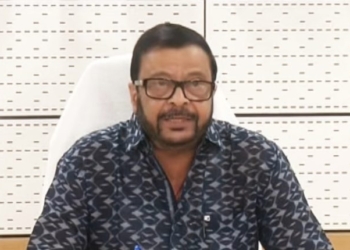
In his presidential address, Dr. K. Murugesan, Principal Chief Conservator of Forests and Head of Forest Force (PCCF & HoFF), Odisha, highlighted the significant yet underutilised potential of bamboo in the State. He emphasised the need to move beyond traditional handicrafts towards large-scale industrial applications, particularly in emerging sectors such as bioenergy, which could generate employment and strengthen rural livelihoods.
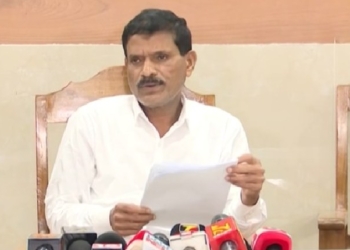
Karthick V, State Mission Director, OBDA, emphasised the need for a supportive policy framework to encourage industrial investment, particularly by first-time investors and early entrants into the bamboo sector. He highlighted the importance of ensuring reliable raw material supply, promoting bamboo plantations and strengthening linkages between farmers and industries.
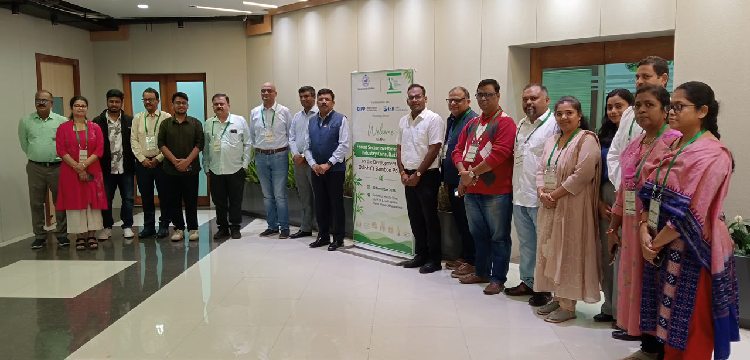
The roundtable was moderated by Kamini Singh, BIPP-ISB, who highlighted the importance of translating industry perspectives into actionable policy measures to improve the business environment, strengthen market linkages and expand opportunities for bamboo producers and community institutions.
The roundtable discussion covered key demand-side and supply-side challenges in developing a robust bamboo-based industrial ecosystem. Discussions focused on industrial demand, suitability of bamboo species for different applications, productivity per acre, resource mapping and availability of raw material.
Participants also highlighted constraints relating to harvesting and transit permits, agreements with farmers, ensuring fair value for bamboo produce, and the availability of adequate bamboo resources to establish industries close to production areas. The need to encourage first-time investors, facilitate land for bamboo plantations and explore government procurement of bamboo-based products also emerged as important policy priorities.
The consultation marks an important first step towards developing a market-oriented, competitive and inclusive Bamboo Policy for Odisha. Further consultations involving technical institutions, researchers, farmers, artisans, producer organisations and relevant government departments are scheduled for January 2027.