





Bhubaneswar: With cyclone preparedness, restoration and irrigation strengthening high on the agenda, Shubha Sarma, Principal Secretary, Department of Water Resources, undertook an extensive field visit to Ganjam district on Saturday.
The visit focused on three key priorities: reviewing the situation after the recent Cyclone Akvan, assessing the progress of restoration works needed due to damage from Cyclone Arnab, and identifying measures to strengthen irrigation infrastructure for farmers.
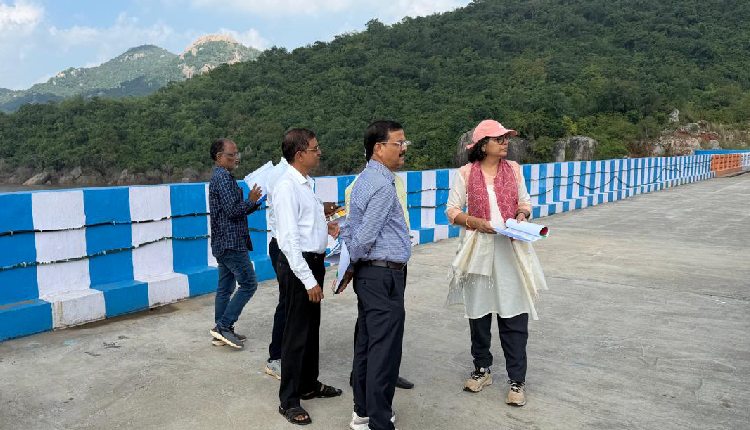
Beginning with reservoir safety and water management, the Principal Secretary inspected the Ghatakeswar Multipurpose Project and reviewed the current live storage, inflow, and outflow of the reservoir. She examined the Head Regulator, spillway, and associated mechanical components, and verified records of reservoir levels and gate operations.
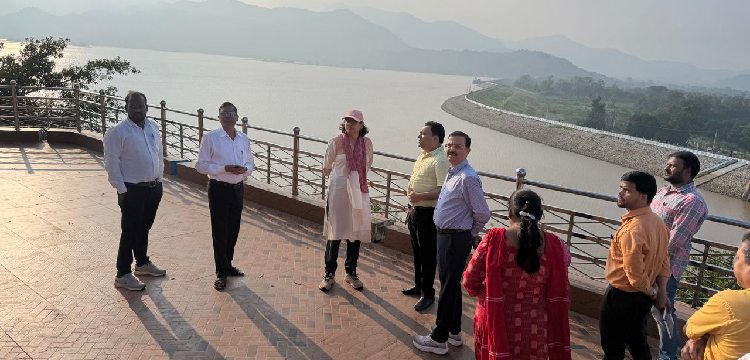 Noting that reservoir levels had been reduced as a precautionary measure in anticipation of the cyclone, she emphasised that flood preparedness must go hand in hand with ensuring adequate irrigation water for farmers. She directed officials to adopt efficient reservoir management practices and instructed the Mechanical Wing, Berhampur, to ensure proper maintenance and upkeep of mechanical components.
Turning attention to post-Cyclone Arnab restoration, the Principal Secretary visited the Bogi River, where she interacted with the MLA, Chikiti, and representatives of Panchayati Raj Institutions (PRIs).
Discussions focused on restoring the Bogi River and the damaged canal network of the Baghalati Irrigation Project. Emphasising the urgency of restoring irrigation infrastructure, she directed officials to initiate necessary repair and restoration measures without delay.
During the inspection, the Principal Secretary also visited agricultural fields where standing paddy crops had suffered extensive damage. Looking beyond immediate restoration, she stressed the importance of utilising the canal repair period to strengthen and improve the Command Area Development (CADA) system, with active participation from Pani Panchayats.
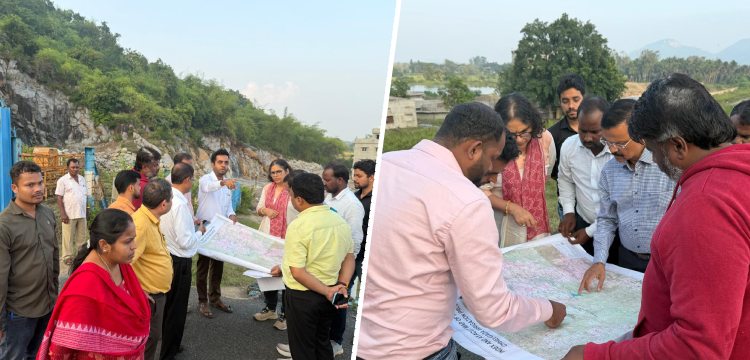
The focus is not merely on restoring existing infrastructure but also on improving irrigation distribution, promoting efficient water management and building a more resilient irrigation network.
A particularly encouraging moment came during her visit to the Bogi Right Bank breach site, where heavy water flows had earlier overtopped the riverbanks. PRI representatives and local farmers expressed their appreciation to the Department of Water Resources for completing breach-closing and restoration works. They acknowledged that the timely interventions had helped protect their paddy crops during the cyclone-related situation, highlighting the importance of swift field-level action in safeguarding agricultural livelihoods.
The Principal Secretary’s visit reinforced the Department’s integrated approach to water management: assessing cyclone impacts, accelerating restoration and strengthening irrigation systems for the future.
While immediate attention remains on ensuring reservoir safety and completing critical repairs, equal emphasis is being placed on improving irrigation efficiency, strengthening community participation, and protecting farmers’ interests.
From responding to cyclones to rebuilding stronger irrigation infrastructure, the Department of Water Resources continues to prioritise preparedness, restoration and long-term water security across Odisha.