





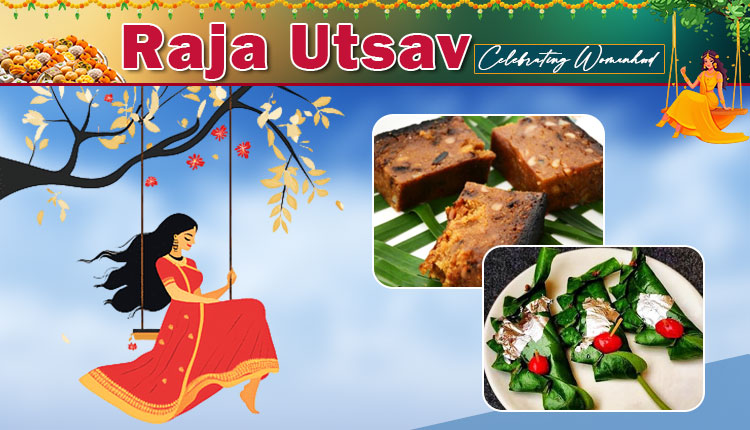
Bhubaneswar: As the first showers of the monsoon kiss the parched earth of Odisha, the state bursts into vibrant celebrations with Pahili Raja, the spirited opening day of the iconic Raja Parba (also known as Raja Festival or Mithuna Sankranti). Today, June 14, 2026, marks the beginning of this unique three-day festival dedicated to womanhood, fertility, and the rejuvenation of Mother Earth (Bhudevi).
A Festival Rooted in Nature and Femininity: Raja Parba is more than just a festival — it is a profound cultural expression of Odisha’s agrarian heritage. Derived from the term “Rajaswala” (referring to a menstruating woman), the festival symbolically observes the three-day menstrual cycle of Mother Earth. During this period, agricultural activities such as ploughing, digging, or tilling the soil are strictly halted, allowing the land to rest and renew itself before the sowing season.
 The festival spans four days in total: Saja Baja (preparatory day): Homes are cleaned, and traditional delicacies are prepared.
Pahili Raja (today): The first official day of festivities.
Raja Sankranti / Mithuna Sankranti: The main day, marking the solar transition.
Basi Raja / Bhudaaha: The concluding day of rest.
Followed by Basumati Snana on the fourth day, when the earth is ritually bathed.
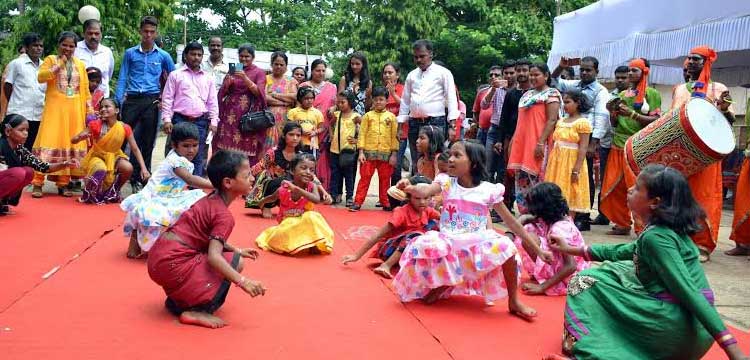
Traditions that Celebrate Women: On Pahili Raja, women and girls across Odisha — especially in rural and coastal regions — wake up to a day of indulgence and rest. They take a ceremonial bath with turmeric and scented oils, don new sarees or traditional attire, apply alata (red dye) on their feet and hands, adorn themselves with flowers and jewelry, and abstain from all household chores.
Swinging on decorated ropes (known as jhula), singing folk songs (Raja Geeta), playing traditional games, and exchanging greetings are central to the merriment. The air fills with laughter as families come together, underscoring themes of empowerment, joy, and the sacred power of femininity.
Flavors of the Festival: No Raja is complete without its signature mouth-watering delicacies. Families prepare an array of pithas (rice cakes), with Poda Pitha — a slow-cooked, caramelized rice and coconut cake — stealing the show. Other favorites include cakes made with jaggery, black gram, and seasonal fruits, often wrapped in banana or sal leaves. These treats are shared generously among neighbors and relatives.
The festival resonates as a celebration of girls’ empowerment and cultural pride.
As dark monsoon clouds gather over the lush green fields of Odisha, Pahili Raja reminds everyone of the beautiful cycle of life, renewal, and respect for nature. For Odias, it is not just a festival — it is a heartfelt ode to womanhood and the nurturing spirit of the Earth.