





Washington: The United States has listed 50 countries whose nationals are subject to visa bonds of up to $20,000 for business and tourist visas, with India excluded from the requirement but Bangladesh, Bhutan and Nepal among the South Asian countries covered.
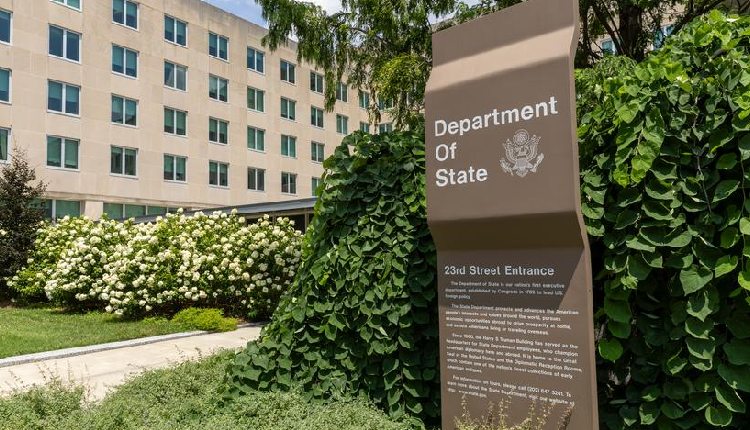
The State Department published an updated list Friday of countries whose nationals are required to post bonds if they are otherwise found eligible for B1/B2 visas.
Under the programme, an applicant travelling on a passport issued by one of the listed countries must post a bond of $10,000, $15,000 or $20,000. The amount is determined by a consular officer during the visa interview, according to the State Department.
The requirement does not apply to Indian passport holders.
Bangladesh and Nepal have been subject to the requirement since January 21, while Bhutan has been covered since January 1, according to the State Department list.
The list also includes several countries in Africa, the Caribbean, Central Asia and the Pacific.
The State Department said the programme operates under Section 221(g)(3) of the Immigration and Nationality Act, which allows a consular officer to require a bond before issuing a visa.
The current programme was established under a final rule that took effect on August 3. The department said countries are identified using B1/B2 visa overstay rates contained in the Department of Homeland Security’s Entry/Exit Overstay Report.
Applicants subject to the requirement must also submit DHS Form I-352 and agree to the terms of the bond through Pay.gov, the Treasury Department’s online payment platform.
The State Department cautioned applicants against making payments before receiving instructions from a consular officer.
“Applicants should submit Form I-352 to post a bond only after a consular officer directs them to do so,” the department said.
A bond can be paid by the visa applicant or a third party, including a friend, relative or business associate. The person who posts the money will receive the refund if the bond conditions are met.
The State Department also stressed that payment of a bond does not guarantee that a visa will be issued.
Travellers who have posted a visa bond face additional restrictions on how they enter and leave the United States.
They must use commercial airports, including Customs and Border Protection preclearance locations. They cannot use charter aircraft, general aviation, land crossings or seaports for entry or departure under the terms of the programme.
Possible violations are referred to US Citizenship and Immigration Services for a determination on whether the bond has been breached.
The visa-bond programme is aimed at addressing overstays by visitors entering the United States on temporary business and tourist visas. The government uses DHS overstay data in determining which nationalities are subject to the requirement.
(IANS)