





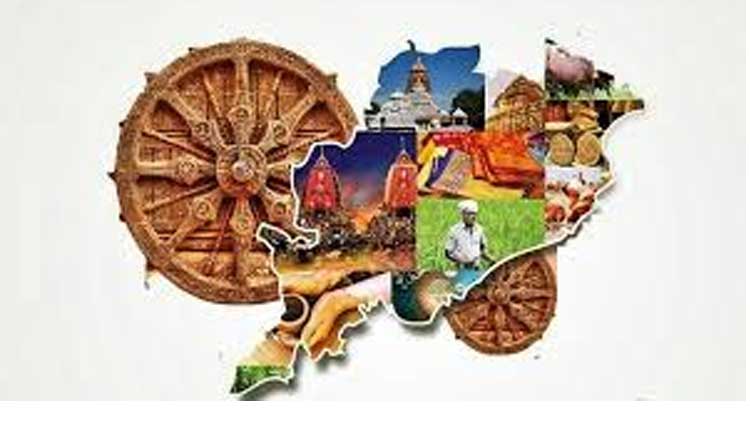
Bhubaneswar: April 1st is a day of great significance in the annals of Odisha’s history. As the state prepares to commemorate its foundation day, the air is filled with excitement and pride. Odisha Diwas or Utkal Diwas, as it is fondly known, marks the formation of Odisha in 1936, a culmination of the tireless efforts of the Odia people to assert their distinct identity and preserve their rich cultural heritage.
The state’s storied past, replete with instances of bravery and resilience, will take center stage as Odisha gears up to celebrate this momentous occasion. Through a series of events and festivities, the state will pay homage to the visionaries who toiled relentlessly to create a separate state for the Odia-speaking people. As the celebrations unfold, the spotlight will shine on Odisha’s vibrant culture, its contributions to the nation, and the indomitable spirit of its people. It’s a day to bask in the glory of the state’s achievements, to reflect on its journey, and to look forward to a brighter future. With every passing year, Odisha Diwas serves as a poignant reminder of the Odia people’s unwavering commitment to their language, culture, and identity.
History
Odisha, located on India’s eastern coast, is the ninth-largest state by area and eleventh-largest by population. Its capital, Bhubaneswar, blends modernity and tradition, while Cuttack, the former capital until 1948, remains a vital part of Odisha’s history and identity.
Odisha Day is a momentous occasion that celebrates the state’s rich history, cultural heritage, and unyielding spirit. The region’s ancient past dates back to 261 BC when it was conquered by Magadha King Ashoka and became part of the Kalinga empire. King Kharavela’s subsequent rule marked a significant turning point, as he defeated the Magadh empire and established a powerful state, cementing Odisha’s reputation for exceptional art, architecture, and sculpture. The state’s history took another turn with the defeat of Gajapati Mukunda Deva, the last Hindu king, by the Mughals in 1576. The British colonial era further fragmented Odisha, dividing it into separate parts. Despite this turbulent past, Odisha has emerged as a vibrant state, proud of its heritage and contributions to India’s cultural tapestry.
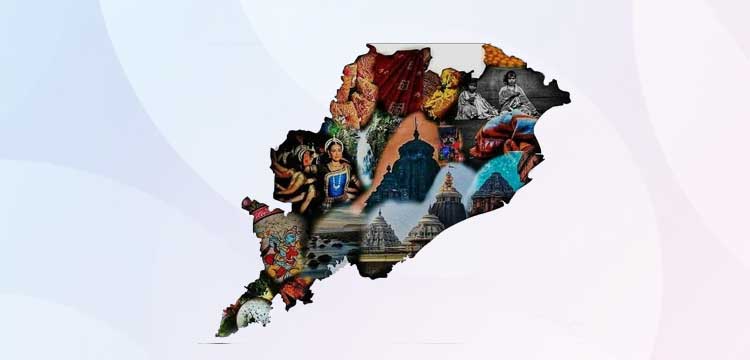
Despite centuries of foreign rule and division, the people of Odisha have remained fiercely proud of their heritage, language, and culture. Odisha Day serves as a poignant reminder of the state’s resilience, its people’s unwavering spirit, and its enduring contributions to India’s rich cultural tapestry.
The Struggle For Separate Statehood
Odisha’s path to becoming a separate state was a long and challenging one, but the people’s relentless efforts finally paid off on April 1, 1936. This milestone marked the formation of Odisha as a separate province, with Sir John Austen Hubback taking office as its first governor. The state was formed by merging Odia-speaking areas from Bihar and Orissa Province, Madras Presidency, and Central Provinces, comprising six districts: Cuttack, Puri, Balasore, Sambalpur, Koraput, and Ganjam
The movement was spearheaded by visionary leaders like Utkala Gouraba, Madhusudan Das, Utkala Mani, Gopabandhu Das, Fakir Mohan Senapati, and Pandita Nilakantha Das, among others. Their unwavering dedication and perseverance paved the way for Odisha’s emergence as a distinct entity.
The Utkal Sammilani, founded by Madhusudan Das in 1903, played a pivotal role in spearheading the struggle for Odisha’s statehood. This movement ultimately led to the formation of the province on April 1, 1936, comprising six districts: Cuttack, Balasore, Puri, Koraput, Ganjam, and Sambalpur. Cuttack was designated as the provincial capital, marking a significant milestone in Odisha’s history.
Interestingly, the state was initially known as Orissa, but in March 2011, the Lok Sabha passed the Orissa Bill and Constitution Bill (113rd amendment), officially changing its name to Odisha. This name change was a significant step in reclaiming the state’s cultural identity and heritage.
Utkal Divas, also known as Odisha Day, is a momentous occasion that holds a special place in the hearts of the people of Odisha. This day commemorates the formation of Odisha as a separate state on April 1, 1936, after years of struggle and sacrifice by the Odia people.
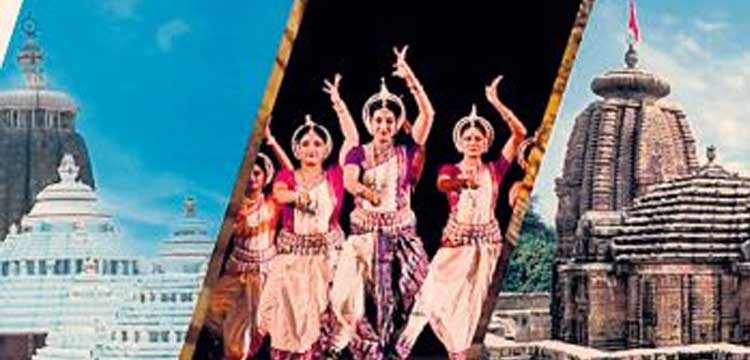
The significance of Utkal Divas can be seen in three key aspects:
Utkal Divas, or Odisha Day, is a significant celebration that marks the formation of Odisha as a separate state on April 1, 1936. The day commemorates the struggles and sacrifices of Odia leaders like Madhusudan Das, Gopabandhu Das, and Krushna Chandra Gajapati, who fought tirelessly for a separate state. It’s a day to honour their bravery and perseverance, which ultimately led to the creation of Odisha, India’s first state formed on a linguistic basis. The significance of Utkal Divas can be seen in three key aspects:
Commemorating the Struggle: It’s a day to remember the relentless efforts of the Odia people who fought for statehood, preserving their language, culture, and identity.
Celebration of Statehood: Utkal Divas is a joyous celebration, connecting residents with their cultural roots and unique identity.
Fostering Unity: Cultural events bring people together, promoting unity and togetherness among Odisha’s residents.Overall, Utkal Divas celebrates Odisha’s rich cultural heritage, resilience, and unique identity, reflecting on progress and looking forward to a brighter future.