





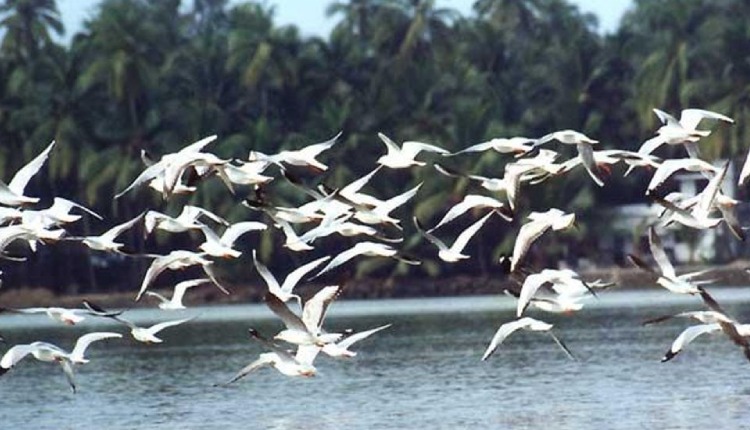
Kendrapada: The mangrove forests of Bhitarkanika National Park have come alive with the arrival of thousands of resident birds for their annual nesting and breeding season. The onset of the monsoon has brought renewed activity to the wetland ecosystem.
The recent rains have transformed the national park into a vibrant avian habitat, with large colonies of birds beginning nest-building activities across the mangrove forests. Forest officials said that favourable weather conditions, the availability of food, and abundant water resources have created an ideal environment for breeding.
More than 10 species of resident birds have already arrived at Bhitarkanika to build nests and lay eggs. The major nesting species include the Open-billed Stork, Little Cormorant, Median Egret, Large Egret, Purple Heron, Grey Heron, Darter, White Ibis, and Cattle Egret.
Assistant Conservator of Forests (ACF), Bhitarkanika, Manas Kumar Das, said that large flocks of birds have started nesting in the mangrove forests of Mathadia, Durgaprasaddia, and Laxmiprasaddiha areas inside the park.
The ACF also stated that the monsoon season provides perfect breeding conditions for these birds. Fresh rainwater and overflowing rivers and creeks ensure an abundant supply of fish, snails, and other aquatic organisms required to feed the hatchlings.
The nesting colonies also attract non-breeding birds, which can be seen foraging in large groups around the breeding sites.
The nesting areas have been dotted with thousands of closely packed nests built on mangrove and other trees. The birds use reeds and water weeds to construct their nests, placing them above the water level to protect their eggs from rainwater and rising water levels during the monsoon.
The annual nesting season is considered a significant ecological event in Bhitarkanika, reflecting the health of its unique mangrove ecosystem.