





Bhabanipatana: At a time when hybrid seeds and chemical-intensive farming have become the norm, a woman farmer from Kalahandi district is demonstrating how indigenous seed conservation can help promote sustainable agriculture, improve soil health and strengthen food security.
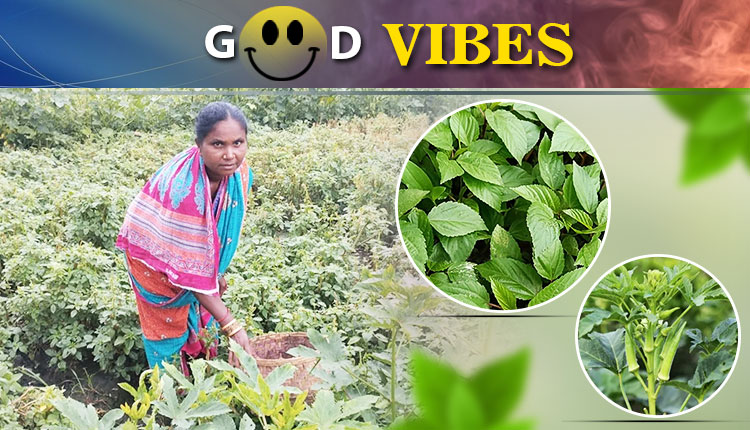
Rekha Putel of Dharakhaman village under Gajbahal Panchayat in Karlamunda block has emerged as an inspiration for local farmers by reviving and conserving traditional seeds. Her efforts have transformed her home into a small community seed bank while encouraging other farmers, particularly women, to return to nature-friendly farming practices.
Rekha said she has collected around 18 kilograms of Nalita Saag (Chen Saag) and Bhaji Saag seeds in just six months. Besides meeting her family’s nutritional needs, she also sells the leafy vegetables in the nearby village market, generating an additional source of income.
About 15 years ago, Rekha cultivated crops using hybrid seeds purchased from the market, like many other farmers in the region. Over time, however, she observed that dependence on hybrid varieties was accompanied by increased use of chemical fertilisers and pesticides, rising cultivation costs, declining soil fertility and changes in the taste and quality of food.
A turning point came through the “Eat Well, Feed Well” campaign jointly promoted by the SVA (Sahabhagi Vikash Abhiyan) Foundation and the Dharakhaman Village Development Committee. Through training programmes, experience-sharing sessions and support from fellow seed conservers known as ‘Bihan Bandhus’, she began preserving indigenous seed varieties and gradually expanded her collection.
According to Rekha, indigenous seeds are not only essential for ensuring future harvests but also for protecting soil fertility, biodiversity and human health. She considers traditional seeds a valuable legacy that should be preserved for future generations rather than merely inputs for cultivation.
Her initiative has now become a source of motivation for several women farmers in the surrounding villages, demonstrating that agriculture aligned with nature can simultaneously promote food security, better nutrition and environmental conservation.
Rekha believes the future of farming lies in safeguarding indigenous seeds, saying that protecting traditional seed varieties ultimately safeguards the soil, food systems and future generations. Her journey has become a positive example of how grassroots efforts can contribute to sustainable agriculture while preserving the region’s rich agricultural heritage.