





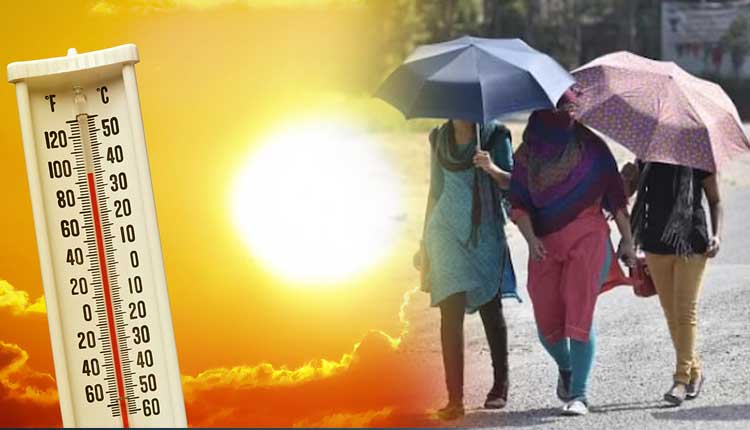
Bhubaneswar: As temperatures climb relentlessly across large parts of Odisha, protecting ourselves from sunstroke and heat-related illnesses has become increasingly important. The blistering sun and oppressive humidity of tropical summers can quickly take a toll on the human body, leading to dehydration, exhaustion, and in extreme cases, life-threatening conditions. While completely avoiding the summer heat may be unrealistic for most people — especially those who need to step out for work, or daily responsibilities — adopting simple yet effective precautions and cultivating mindful daily habits can significantly reduce the risks. By staying informed, planning ahead, and making small adjustments to your routine, you can protect your health and continue to navigate the scorching days with greater comfort and safety.
Dress Smart, Stay Cool
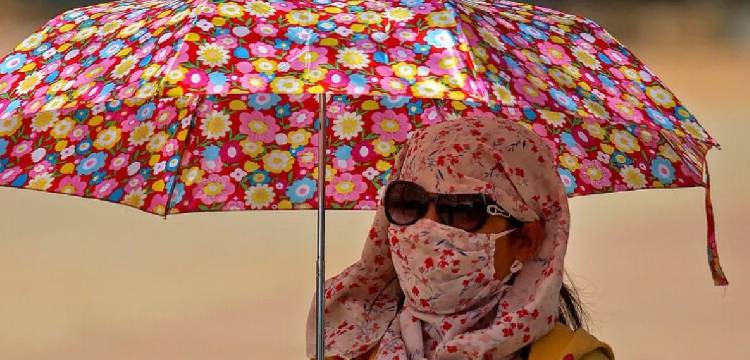
When stepping out, make an umbrella, sunglasses, and a good sunscreen (SPF 30 or higher) your constant companions. Light-coloured, loose-fitting clothes made of breathable fabrics like cotton are your best allies. Opt for pastel shades and avoid dark colours, which absorb more heat and make you feel even warmer. Ditch tight or heavy outfits — comfort should take priority over fashion during peak summer.
Hydrate, But Choose Wisely
Dehydration is one of the biggest risks during heatwaves. Drink plenty of water throughout the day to replenish fluids lost through sweating. Skip sugary fizzy drinks and caffeinated beverages. Instead, reach for natural hydrators like coconut water, fresh watermelon juice, lemon water, or buttermilk (chaas/lassi). These not only quench thirst but also help restore essential electrolytes.

Eat Light and Fresh
Heavy, spicy, and fried fast foods can make you feel sluggish and increase internal body heat. Stick to home-cooked, light meals. Include plenty of fresh fruits such as apples, pears, guavas, and watermelon. A bowl of curd is also an excellent cooling option that soothes the stomach and keeps you refreshed.
Avoid the Midday Fury
Try to limit outdoor activities during the peak heat hours (usually between 12 noon and 4 pm). If you must go out, plan your errands for early morning or late evening when the sun is less intense. If you’re working outdoors, take frequent breaks in shaded or air-conditioned spaces, especially if you start feeling dizzy, confused, or unusually tired.
Steer Clear of Crowds
Crowded places with poor ventilation can quickly turn dangerous during a heatwave. Avoid packed buses, metros, markets, or public gatherings as much as possible. Good airflow and personal space help your body regulate temperature more effectively.
Keep Your Home a Cool Sanctuary
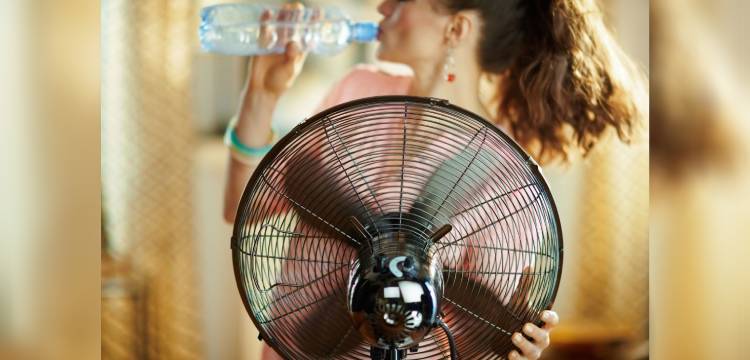
Create a cooler environment indoors by drawing curtains and closing windows during the hottest part of the day to block out direct sunlight. Use fans, coolers, or air conditioners wisely to maintain a comfortable indoor temperature.

Know the Warning Signs
Recognising the early symptoms of heat exhaustion can prevent it from escalating into a medical emergency. Watch out for excessive weakness, lethargy, body aches, dizziness, nausea, or confusion. In severe cases, heatstroke can cause loss of consciousness or seizures — if you or someone around you shows these signs, seek immediate medical help.

While heatwaves have become an annual reality in tropical India, staying informed and following these practical steps can significantly reduce the risks. This summer, let caution and common sense be your shield against the blistering sun.