







Odisha, with its 482-km-long coastline, is one of the most flood-prone states in India. The state is highly vulnerable to floods, cyclones, and storm surges due to its geography, river systems, and climatic conditions. Heavy monsoon rainfall, inflow of water from neighbouring states like Jharkhand and Chhattisgarh, siltation of rivers, poor drainage, and breaching of embankments frequently lead to severe flooding, particularly in the delta regions.
The major rivers responsible for the floods in Odisha are Mahanadi, Brahmani and Baitarani. These rivers share a common delta, and when they are in spate simultaneously, especially during high tides, they cause widespread havoc. Other rivers such as Subarnarekha, Rushikulya, Bansadhara, and Budhabalanga also contribute to flooding in different parts of the state.
As Odisha is grappling with one of its most severe floods in recent years, affecting over six lakh people across five districts, Ommcom News takes a look at the history of major floods that have repeatedly battered the state.
History of Major Floods
According to official records, Odisha has witnessed numerous severe floods over the decades. Floods affected multiple districts, particularly in the Mahanadi, Brahmani, and Baitarani basins. In 1976 and 1977, several districts were hit with substantial crop damage.
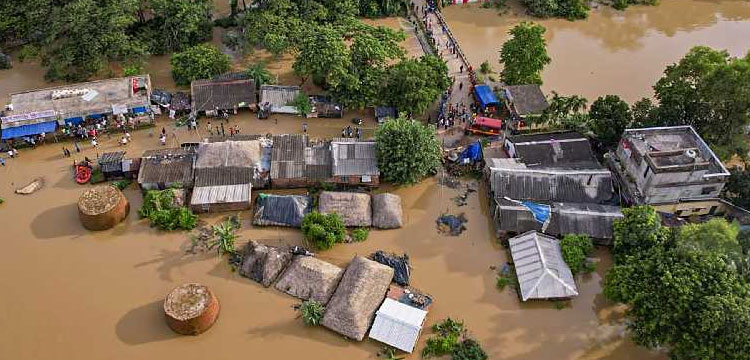
1980s: The decade saw some of the worst floods. The floods of 1980 and 1982 were particularly devastating. Large areas of cropland were submerged, and thousands of hectares were damaged.
1990s: Floods in 1995, 1997, and 1999 affected 15 to 20 districts. In 1999, nearly 20 districts were impacted with extensive damage to crops and property.
2000s: The early 2000s recorded some of the most severe floods. The 2001 and 2003 floods were among the worst in recent history. In 2003, 24 districts were affected, with massive crop losses running into lakhs of hectares. The 2006 and 2008 floods also caused widespread damage across 15–27 districts.
In many of these events, floodwaters inundated hundreds of thousands of hectares of cropland, damaged houses, roads, and embankments, and caused significant loss of life and livestock. The 1980, 1982, 2001, and 2003 floods were described as particularly severe, with property worth crores of rupees destroyed.
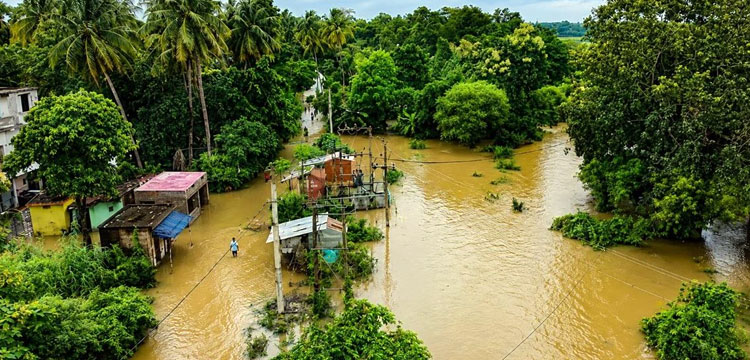
2020 Floods: Heavy rains from successive low-pressure systems in the Bay of Bengal impacted 14 lakh people across 20 districts in five major river.
2022 Floods: Lasting from mid-August to early September, continuous depressions over the Bay of Bengal caused widespread submergence across 12 districts, worsened by high river water release and runoff.
Why Odisha Suffers Repeatedly
The flat coastal terrain, heavy silt deposits in river beds, and frequent cyclones exacerbate the flood situation. When heavy rainfall coincides with storm surges, floodwaters often spill over embankments or find new channels, leading to drainage congestion in the coastal belt. This combination makes both urban and rural areas highly vulnerable.
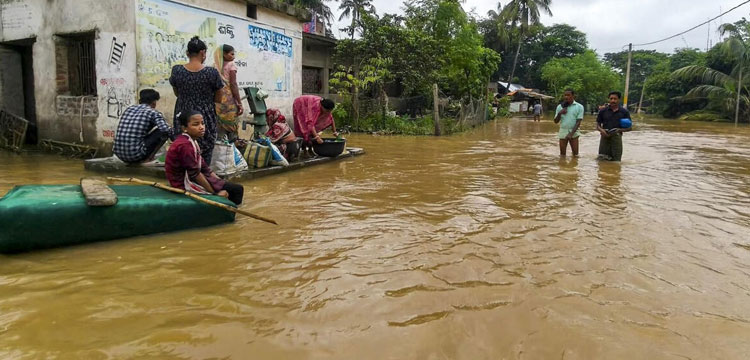
Despite various flood control measures like embankment construction and river management, the state continues to face recurrent floods every monsoon, disrupting lives, destroying livelihoods, and setting back economic progress.