





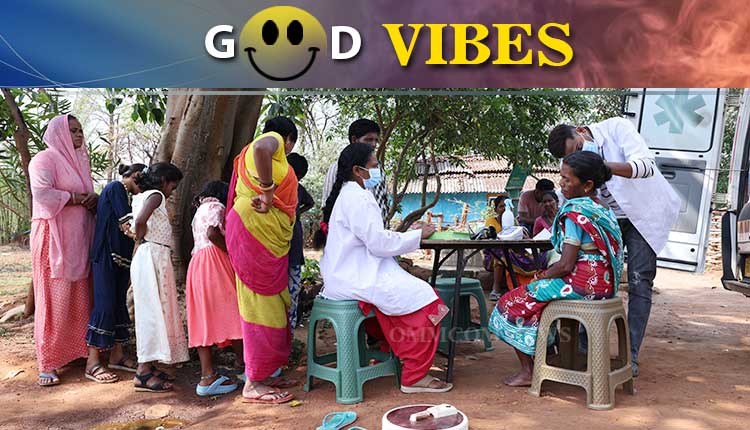
Bhubaneswar: In the remote villages of Rayagada and Kalahandi in Odisha, good health has long remained a distant dream for many. Scattered hamlets, difficult terrain, limited transport, and scarce medical facilities have made even basic healthcare a challenge. Seasonal diseases like malaria spread unchecked, chronic conditions go undiagnosed, and lives are lost or compromised simply because timely help is too far away. For tribal and rural families here, every illness carries the heavy burden of lost wages, long journeys, and uncertainty. Yet, amidst these hardships, a quiet revolution is unfolding. Vedanta Aluminium’s Project Aarogya is redefining healthcare access by taking quality medical services directly to the doorsteps of the most underserved communities.
In the financial year 2026 alone, the initiative reached nearly 1.26 lakh people across Rayagada and Kalahandi. Rather than waiting for patients to reach distant hospitals, Aarogya brings doctors, diagnostics, medicines, and awareness to them.
Taking Healthcare Beyond Hospital Walls
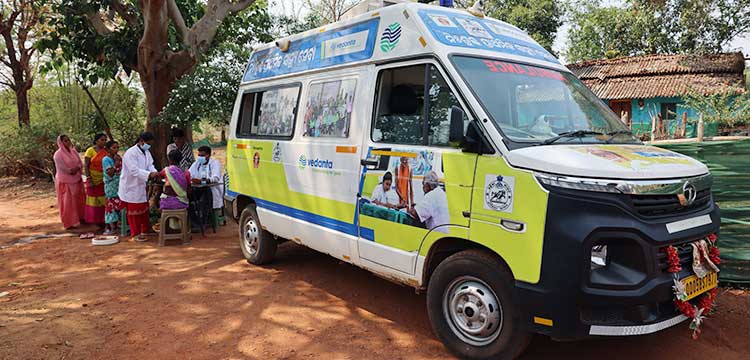
The project’s fleet of well-equipped Mobile Health Units has become a lifeline, regularly serving over 100 remote villages. These mobile clinics function as complete primary care centres on wheels, offering consultations, basic diagnostics, and free medicines. For many residents, this is their first reliable connection with modern healthcare.
For many residents, this has been their first consistent point of contact with trained medical professionals. “Earlier we ignored small symptoms because visiting a hospital meant losing a workday. Now check-ups happen in the village itself. This project has been a true boon for our communities.” said Bhumita Majhi, a resident of Rayagada.
Beyond regular outreach, 12 mega health camps were organised in Kalahandi, benefitting over 5,000 patients with multi-specialty care including eye check-ups and orthopaedic services — treatments that were once nearly impossible to access. These camps addressed concerns ranging from general ailments to more complex issues such as orthopaedic issues and eye care, conditions that often go untreated in the absence of specialist access.
Early Detection in Disease-Prone Communities
Project Aarogya also focuses strongly on prevention. In Rayagada, special screening drives for sickle cell disease and thalassemia, carried out in partnership with district health authorities, are helping families detect and manage these conditions early. Regular malaria awareness campaigns are equipping communities with knowledge to prevent outbreaks before they strike.
In Rayagada, early screening programmes for sickle cell disease and thalassemia has been undertaken in partnership with district health authorities. These initiatives enable timely counselling, referral and long-term disease management, helping families understand conditions that otherwise remain undetected for years.
Seasonal illnesses continue to pose a recurring health risk. Regular malaria awareness drives and seasonal health campaigns focus on prevention, symptoms and timely treatment, helping communities respond before complications arise.
Empowering Women, Mothers and Children
The project recognises that healthy families begin with empowered women. Initiatives like Swasth Nari Sashakt Parivar Abhiyaan and Sishu Sanjeevani are strengthening maternal and child health, nutrition awareness, and reproductive care.
Kaberi Naik, a beneficiary from Lanjigarh, Kalahandi, highlighting the role of awareness in improving outcomes, said, “We now know why regular check-ups during pregnancy matter. Earlier, many things were left to chance. The awareness campaigns by Vedanta have now encouraged me to take more charge of my health.”
From Outreach to Institutional Care
When serious illness strikes, institutional support becomes critical. Vedanta has strengthened the MSJK Hospital in Kalahandi as a reliable referral centre, ensuring that communities no longer have to undertake long, risky journeys to distant towns during emergencies.
The hospital plays a crucial role in cases where immediate medical attention is required and travel to distant urban centres is neither feasible nor safe. For families in surrounding villages, it bridges the transition from outreach-based care to advanced medical intervention.
Sharing her family’s experience, Ranu Majhi, a resident of Bengaon GP, shared, “When my mother fell seriously ill, reaching a hospital in a town was simply not possible for us that day. MSJK Hospital became our lifeline. The doctors attended to her immediately, and the treatment she received here saved us from making a long, difficult journey.”
Together with emergency support services, which assisted over 1,500 patients in FY26, the hospital ensures continuity of care beyond diagnosis, completing the healthcare pathway from village-level outreach to critical treatment.
Project Aarogya brings together access, prevention, emergency care and continuity in a sustained manner. In bridging the distance between villages and quality care, Vedanta Aluminium is sending a clear social message: No community should be left behind in the journey towards better health. When healthcare reaches the last mile, it doesn’t just treat illness — it restores dignity, strengthens families, and builds more resilient futures for India’s tribal heartlands.By embedding healthcare services within villages, strengthening preventive awareness and ensuring timely critical care, Vedanta Aluminium continues to respond to the everyday health realities of these districts, supporting healthier, more resilient communities over time.