




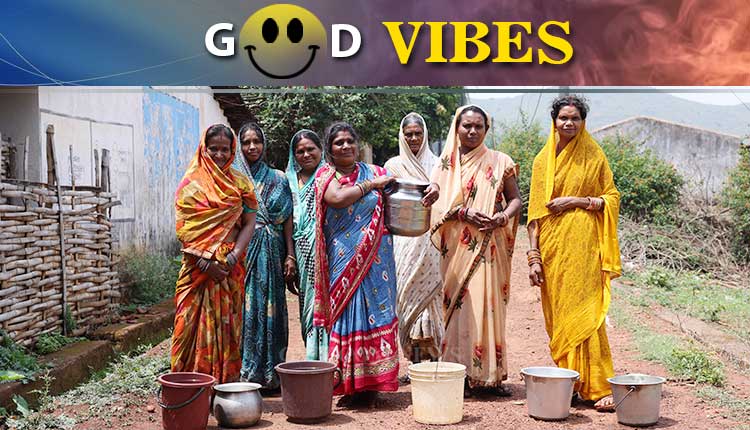
In the misty pre-dawn hush of Kashipur block in Rayagada district, the hills whisper a familiar story of quiet endurance. While the rest of the village still sleeps, women from remote hamlets like Dumerpadar, Sagabari, Chulbadi, Sunger, Dhamanghati, Siadimal, and Ladakhaman hoist plastic and steel containers onto their hips and shoulders. They tread steep, rocky paths for kilometres, chasing distant streams that may or may not hold water. This is not an occasional chore—it is the unrelenting rhythm of their daily lives.
For the women of these remote villages, who already bear the weight of nearly every household duty — from cooking and childcare to tending livestock and working in the fields — the daily water quest is more than a chore. It devours several precious hours each day, hours that could otherwise be spent earning an income, caring for their families, or simply nurturing their own health and wellbeing. Against this backdrop of chronic hardship, Vedanta Aluminium’s interventions under Project Nirmal have been nothing short of transformational, bringing clean, reliable drinking water right to their doorsteps and rewriting the rhythm of their lives.
For generations, water has been both lifeline and burden in these scattered villages nestled within the Sijimali hill range. The same Eastern Ghats plateau that holds rich bauxite deposits beneath its surface creates a harsh paradox above ground. The rocky terrain is largely impermeable; monsoon rains race off in torrents rather than seeping into the earth. Groundwater lies trapped hundreds of feet below, often as deep as 750 feet—far beyond the reach of traditional wells. Seasonal streams vanish with the dry season, leaving families at the mercy of an unpredictable climate.
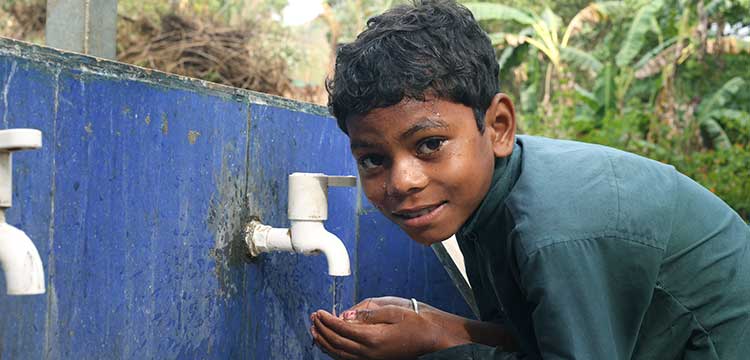
In response, Vedanta Aluminium has installed deep-bore wells supported by solar-powered pumping systems under its community development initiative, Project Nirmal. These drinking water systems are now operational across seven villages, providing reliable, year-round access to safe drinking water for over 3,000 people. The project has significantly reduced dependence on climate-vulnerable water sources.
“Earlier, fetching water would take half the morning,” recalls a Mrs. Chandrika Naik, resident of Dumerpadar village. “During summer, we would walk even further. By the time we returned, the day was already spent. The efforts taken by Vedanta has really been a boon to our community.”
Previously, the villages relied on natural water sources with high turbidity levels, resulting in cloudy water due to impurities such as silt. With the installation of borewell-linked purification systems, water quality is now consistently maintained within safe limits, significantly enhancing drinking water safety for households. Equally important, the use of solar power has made the water supply independent of erratic electricity availability — a common challenge in remote blocks like Kashipur and Thuamul Rampur.
“We no longer need to wait many hours for power or tankers to arrive,” says a woman from a village near Sijimali. “The solar borewell by Vedanta help us access water much closer to our homes now. It has changed how we plan our day.”
Reducing the Invisible Burden on Women
While water scarcity is typically measured in litres and infrastructure, its true human cost is disproportionately borne by women in rural communities — in the form of lost time, physical strain, and limited economic opportunities. By reducing walking distances and shortening water collection time, the project has enabled women to spend more time on income-generating activities, household responsibilities, and family care — free from the daily physical burden that once dominated their lives.
Building for Sustainability
Beyond providing immediate access, Vedanta’s initiatives around Sijimali are strongly focused on ensuring long-term water security. Hydrogeological studies are guiding spring rejuvenation, rainwater channelisation, and aquifer recharge efforts, with the goal of strengthening natural water systems rather than merely replacing them. More than 20 locations have been identified for spring revival and water channelisation pipelines. These interventions will improve the capture and flow of surface runoff, supporting sustained drinking water availability while contributing to groundwater recharge and greater resilience against seasonal shortages.
Importantly, technical assessments confirm that groundwater aquifers lie significantly below the near-surface bauxite deposits, establishing a clear natural separation between mineral reserves and water sources. This critical understanding is shaping mine planning to ensure the protection and prioritisation of safe water sources alongside development activities.
Moving Beyond the Mineral Narrative
Sijimali today stands at a crossroads, often discussed for what lies beneath its soil, but increasingly shaped by what can be achieved above it. Water security, healthcare, roads and essential services together form the true measure of progress in regions long marked by scarcity. Vedanta’s efforts in and around the Sijimali area highlight how local needs can be successfully addressed in tandem with the nation’s needs.
Vedanta’s efforts in and around Sijimali demonstrate how local community needs can be effectively addressed alongside the nation’s development priorities, creating a more balanced and sustainable model of progress.