





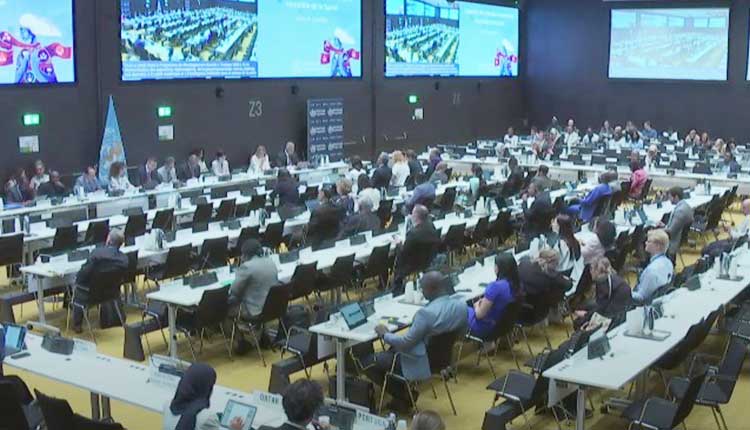
Geneva: The six-day 79th World Health Assembly has concluded in Geneva, during which member states adopted multiple resolutions to advance multilateral cooperation in safeguarding human health.
Held under the theme “Reshaping global health: a shared responsibility,” the assembly adopted more than 20 decisions and 13 resolutions on issues including stroke, tuberculosis, antimicrobial resistance, emergency care, haemophilia, precision medicine and radiation, reports Xinhua news agency.
In his closing remarks on Saturday (local time), President of the Assembly Victor Atallah Lajam said that amid intensifying geopolitical conflicts, frequent public health emergencies and severe challenges to the multilateral system, the assembly successfully completed its agenda, once again demonstrating the power of multilateralism.
Atallah, also minister of health of the Dominican Republic, said the assembly focused on its core mission of protecting human health and adopted a series of major decisions and future guidance with direct impact, noting that these outcomes will benefit millions or even more people, with emphasis on strengthening emergency preparedness and response, curbing antimicrobial resistance, promoting innovation in indigenous peoples’ health, regulating ethical organ transplantation, and enhancing the protection and support for health workers.
On emerging issues such as digital health, interoperability, artificial intelligence and digital governance, in-depth discussions were held, and the need for ethical and inclusive frameworks was reaffirmed to advance people-centred, interoperable and diverse medical cooperation in precision medicine and diagnostic imaging, the president added.
The assembly also addressed a range of political and administrative issues, including an agreement to reform the global health architecture through a member state-led joint process hosted by the World Health Organization (WHO).
In his closing remarks, WHO Director-General Tedros Adhanom Ghebreyesus urged member states to translate resolutions into action without delay, stressing that achieving global health goals “will require political commitment, sustained financing, and continued cooperation between member states, partners and communities.”
(IANS)