






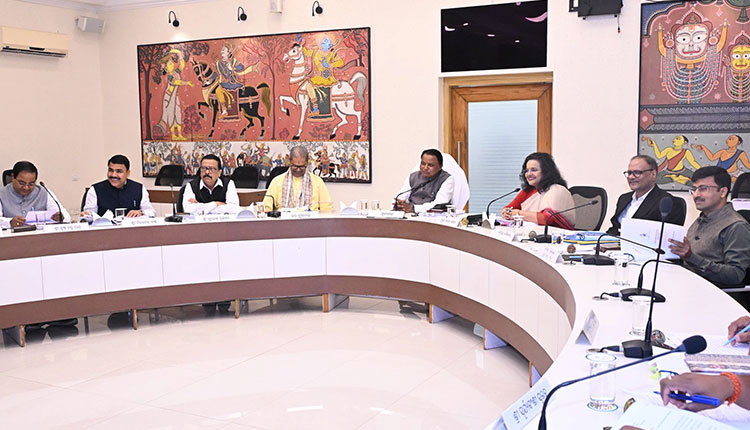
Bhubaneswar: The Odisha Cabinet is set to review the State Cooperation Policy 2026, a move aimed at modernising the state’s cooperative sector and boosting rural livelihoods. The policy seeks to strengthen Primary Agricultural Cooperative Societies (PACS), cooperative banks, marketing and processing societies, and other cooperatives, while promoting digitalisation, transparency, and financial inclusion across villages.
The policy comes in the wake of the National Cooperation Policy, launched by the Union Cooperation Ministry in July 2025 under the vision “Sahkar Se Samriddhi.” Following the central government’s recommendation for state-specific cooperation policies, Odisha developed the draft after extensive consultations with cooperators, experts, government departments, and the public.
The State Cooperation Policy 2026 aims to enhance the performance and outreach of PACS, LAMPCS, cooperative banks, marketing and processing societies, as well as dairy, tribal, handloom, fisheries, and housing cooperatives. The policy proposes to modernise operations, improve governance, and deliver efficient services to members.
Key objectives of the policy include providing a permanent legal, regulatory, and financial framework for cooperatives; transforming PACS into multi-service rural centres for agriculture, credit, marketing, and processing; expanding digital services and financial inclusion; promoting value addition, agri-processing, storage, and market linkages; and building the capacities of cooperative members and management through systematic training.
Anchored on seven strategic pillars, the policy focuses on strengthening cooperative foundations, digital transformation, cooperative diversification, member empowerment, financial strengthening, professional management, governance reforms, and enhanced state support.
If approved, the policy will create a robust cooperative network delivering reliable services to farmers, women, and rural communities. It is expected to boost village-level economic activity, improve credit flow, expand crop insurance coverage, and strengthen value chains. Enhanced institutional capacities and transparent governance are also key goals.
Designed to operate until 2036, the policy aligns with Odisha’s Vikshit Odisha 2036 and India’s Vikshit Bharat 2047 vision, positioning cooperatives as a major driver of rural livelihoods and economic empowerment.