





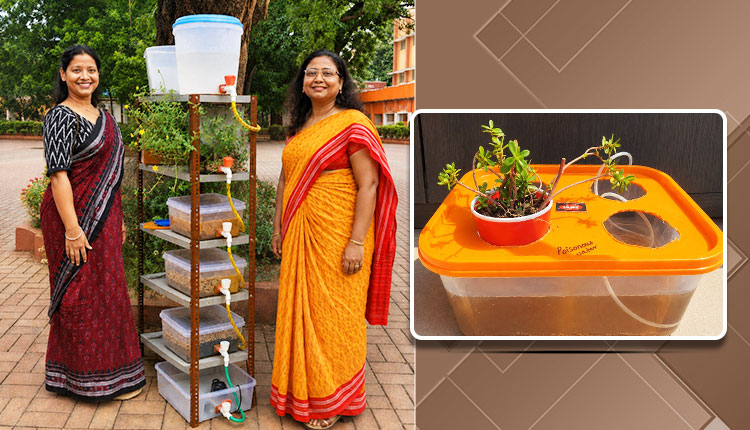
Rourkela: Researchers at National Institute of Technology Rourkela have developed a sustainable wastewater treatment system for the dairy industry that not only improves pollutant removal efficiency but also enables resource recovery through reuse of treated water and biomass generated during the process.
According to the research team, laboratory tests conducted using real dairy wastewater showed that the treated water was suitable for irrigation purposes as it retained beneficial phosphate nutrients required for agricultural use.
The researchers said the aquatic plants used in the treatment process can also be utilised as cattle feed or processed further for biogas and biodiesel production, adding economic and environmental value to the wastewater management system.
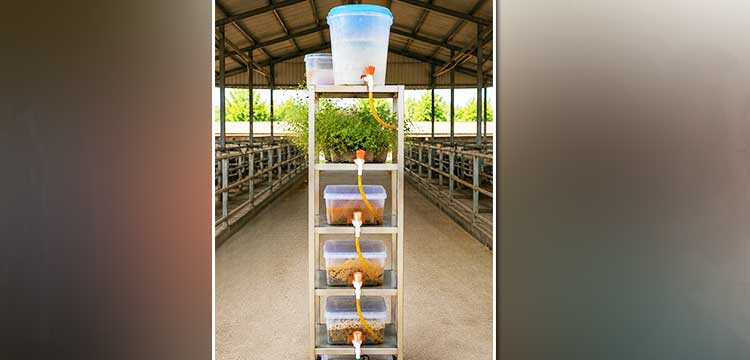
The developed technology combines vermi-filtration, macrophyte-assisted treatment and hydroponic purification in a continuous and sustainable treatment setup. The team said the integrated approach has significantly improved pollutant removal efficiency while also addressing clogging issues commonly faced in conventional wastewater treatment systems.
The researchers noted that while earlier technologies had focused on these treatment methods individually, the integration of all three processes into a single continuous system has yielded better overall performance.
As part of the next phase of the project, the team plans to enhance treatment speed and optimise reactor design to facilitate large-scale deployment of the technology. The researchers are also seeking industry collaboration to help translate the laboratory-scale innovation into practical real-world applications for the dairy sector.