

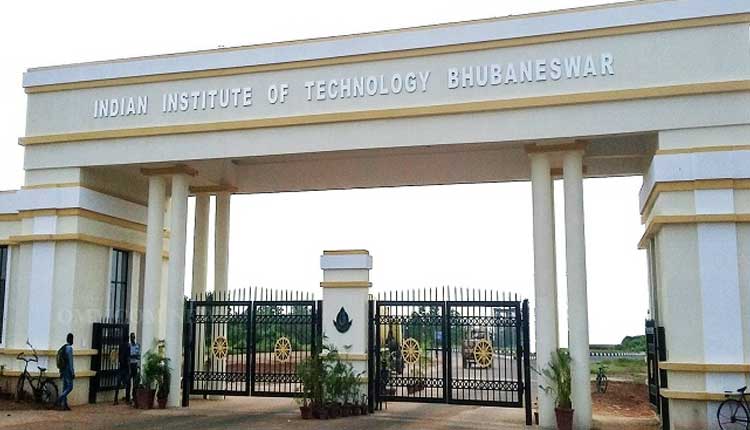
Bhubaneswar: A recent study by IIT Bhubaneswar has found that rapid urbanisation and widespread land degradation are the primary drivers behind the rising surface temperatures across Odisha.
Researchers from the institute’s School of Earth, Ocean and Climate Sciences analysed two decades of satellite data covering all 30 districts of the state. Their findings reveal a marked increase in land surface thermal hotspots, signalling the growing influence of land-use changes on the state’s climate.
The study, published in the prestigious journal Environmental Science Advances (Royal Society of Chemistry), was led by Dikshika Mahapatra and Debadatta Swain.
According to the research, urban and industrial hubs — particularly Khordha, Ganjam, Cuttack, and Sundargarh — are experiencing a steady rise in extreme surface temperatures. Several coastal districts have seen thermal hotspot coverage expand by 2 to 9 per cent annually.
The heat is no longer limited to cities. Several interior and hilly districts, including Balangir, Kalahandi, Rayagada, and Gajapati, are also showing persistent thermal stress due to large-scale vegetation loss, forest degradation, and expanding barren lands.
The researchers warn that prolonged exposure to these intensifying thermal hotspots could have serious consequences for public health, increase energy demand, and threaten environmental sustainability.
The study highlights the value of satellite-based monitoring in identifying vulnerable areas and supporting targeted climate action.
To combat the rising heat, it recommends region-specific measures such as expanding urban green cover, implementing heat-resilient infrastructure, restoring mangroves and riverbank vegetation, and integrating high-resolution satellite data into urban planning and environmental governance.